Industry Night Recap: Key Moments & Takeaways
This Wednesday (22/10), we had the opportunity to experience another great industry night where professionals gathered to share ideas, network and have fun. From thoughtful discussions to unforgettable moments, we take a look back at the highlights of the evening. We hope this recap not only keeps you informed but also inspires you to attend future industry events!
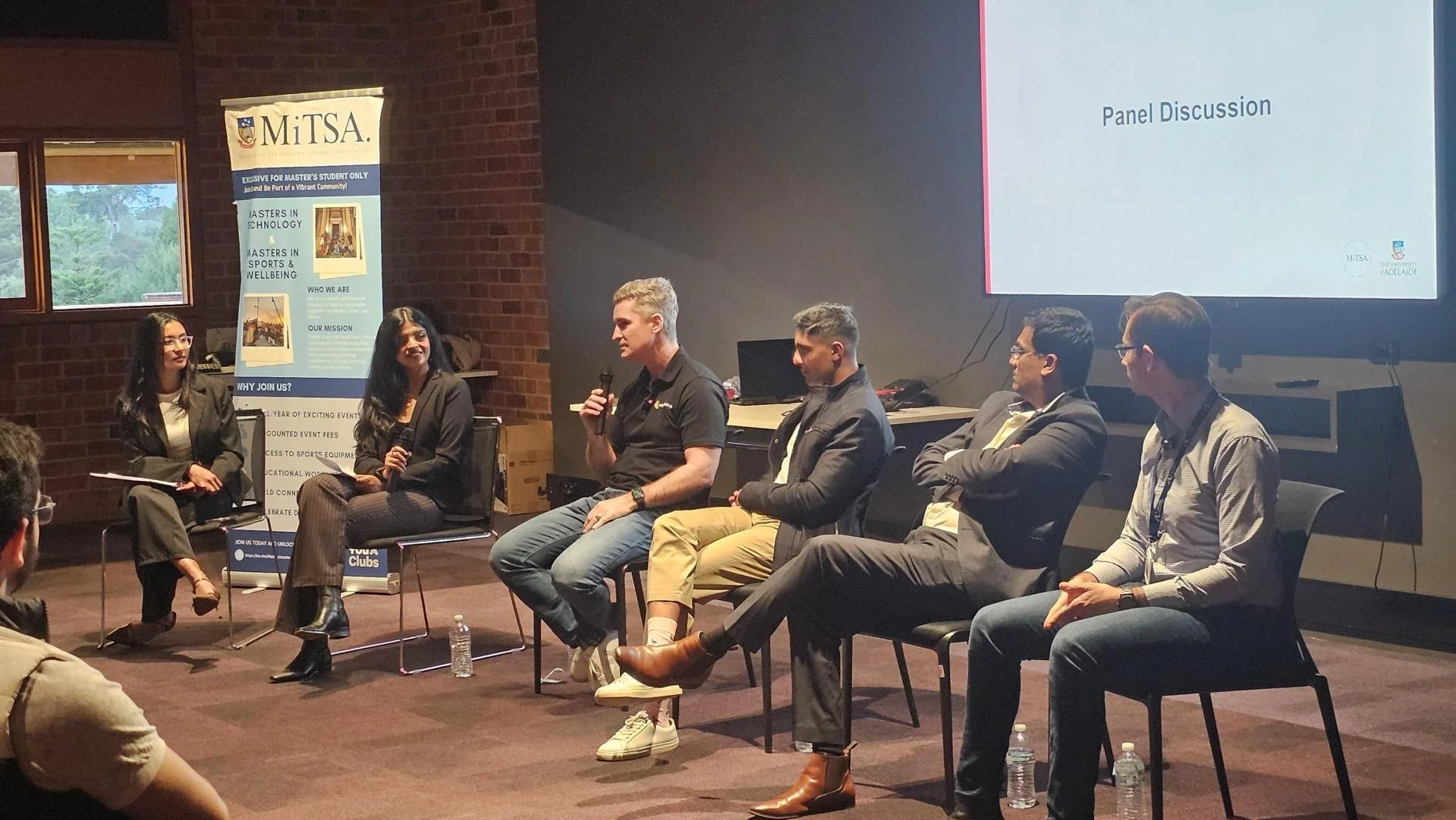
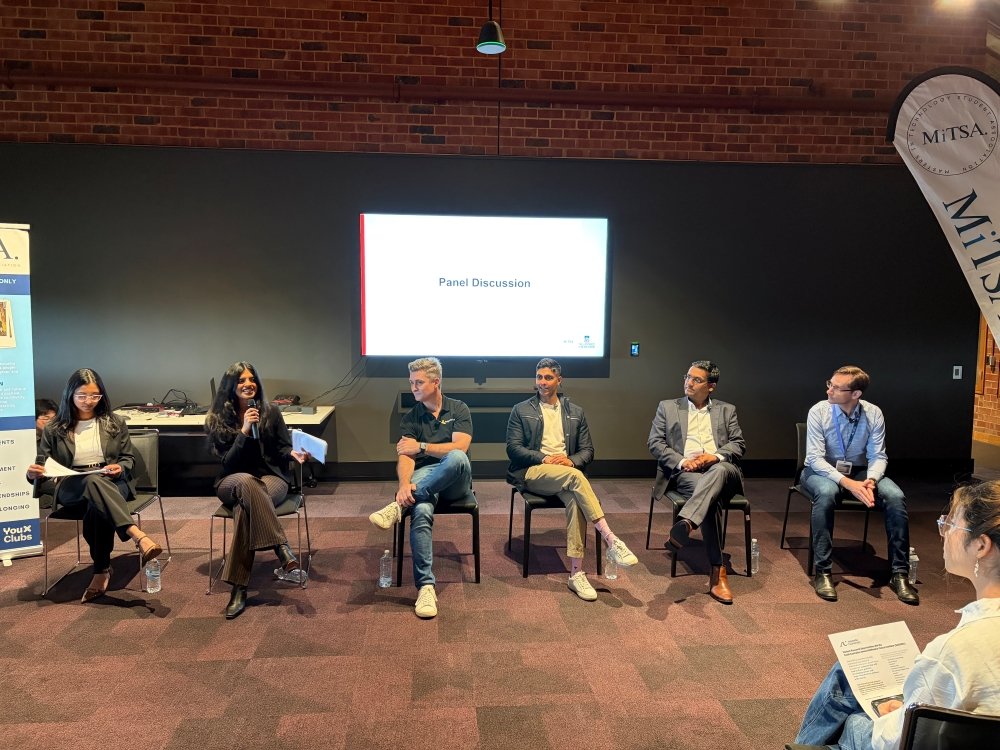
The panelists
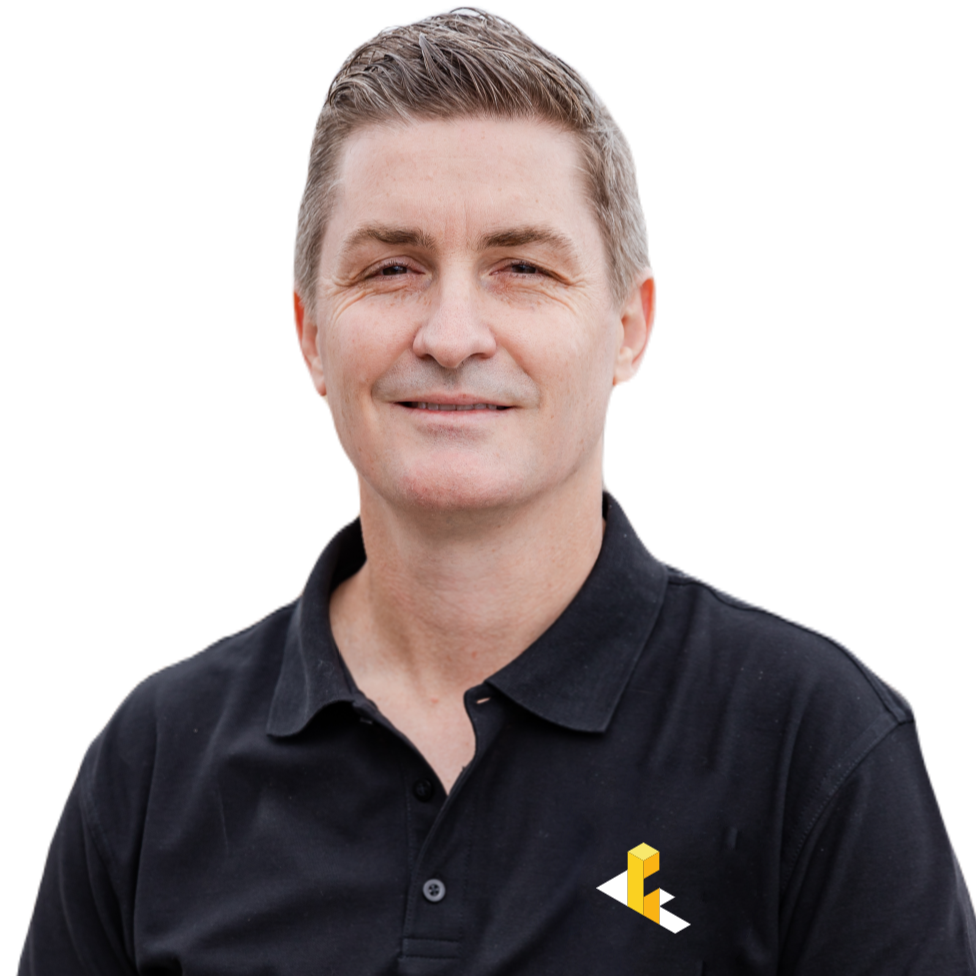
Peter Inge
Co-Founder and CEO of Insight Factory AI
He brought over 25 years of experience leading AI and data teams worldwide.
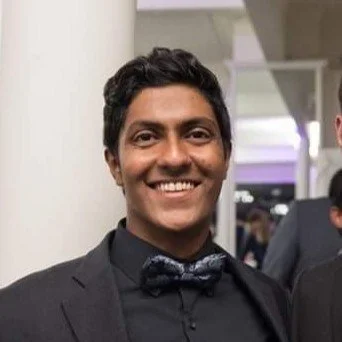
Hasitha Jayatilake
A Senior Technology Specialist at Jeneva
He has co-founded multiple startups including RestRise, Tradiex, and StudyAnything.
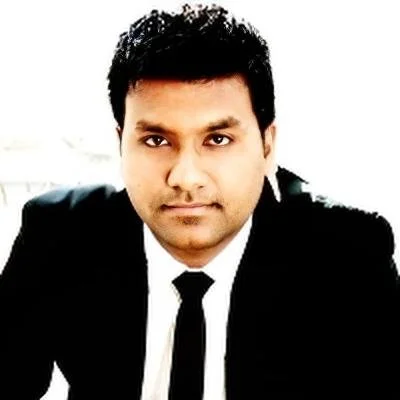
Daniel Christian
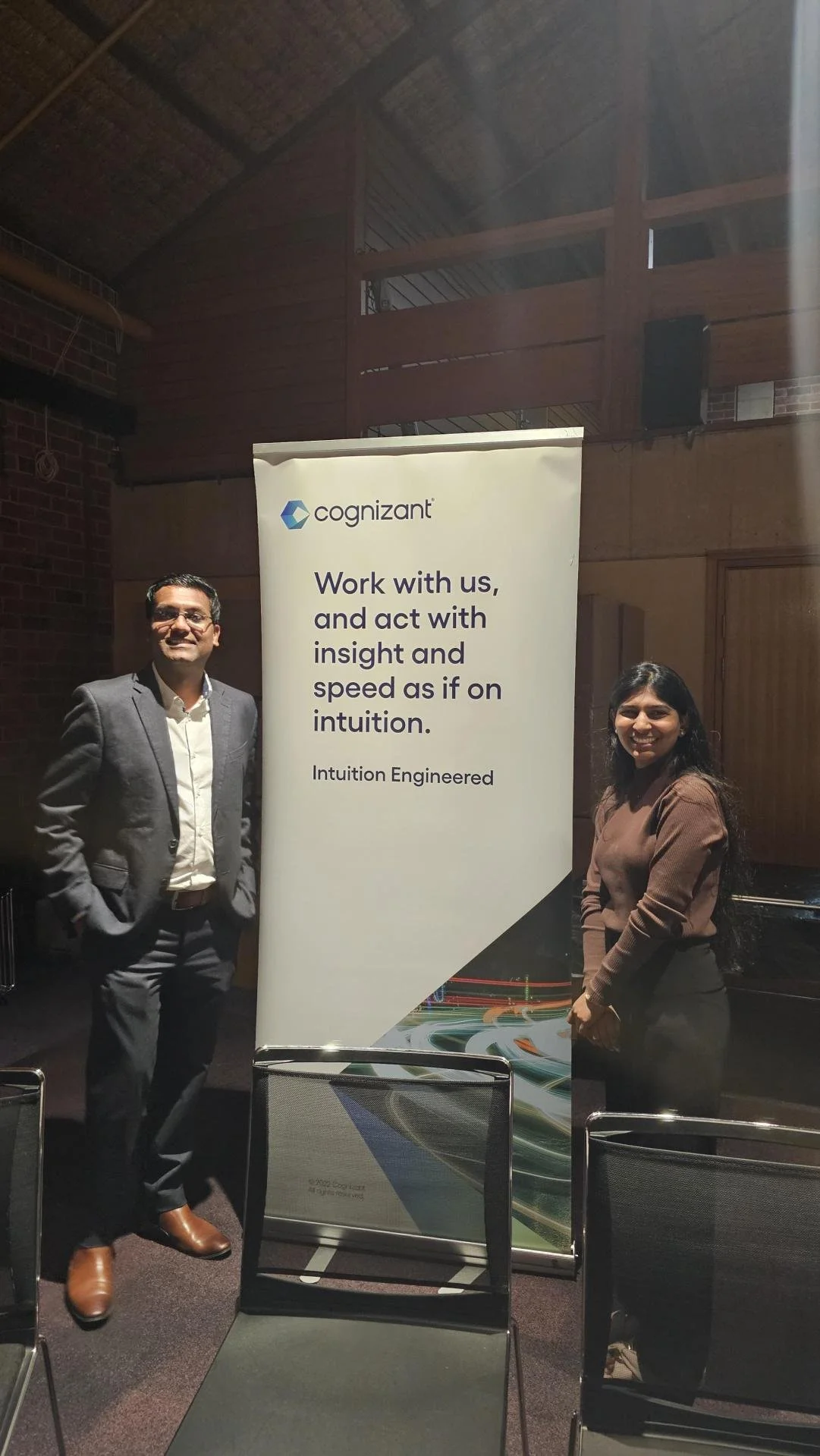
An Enterprise Solution Architect at Cognizant
He has more than 20 years in enterprise architecture and consulting across the UK and Australia.
Dr. Luke Isbel
Head of the Molecular Epigenetics Lab at SAiGENCI
He is a research pioneer in biology and AI with international work spanning Europe and Australia.
-
Peter:
I didn’t have some grand plan when I started out - my career kind of evolved on its own. I was always drawn to math and computer science, so consulting felt like the right place to begin. It taught me how to solve problems, but after a while, I realized I wasn’t seeing things actually get built. I wanted to deploy real systems and see them make an impact. Around 2015, when machine learning started taking off, I knew that’s where I wanted to be. But what really changed everything for me was realizing that if you could productize those capabilities - turn them into scalable, repeatable systems - you could build something much bigger than yourself. So my advice is: don’t worry about having it all figured out. Keep solving problems and stay curious - that’s how you find your direction.
Hashita:
For me, I never really picked a niche - I built one. I started out making small tools for people who needed help, like process automation for a friend’s business, and that curiosity just grew. Each project taught me something new, and before I knew it, I was co-founding startups and moving into bigger tech roles. What I learned is that it’s not about chasing the newest technology - it’s about understanding how things work and creating value with what you already know. One of my favorite examples is StudyAnything, which I originally built for my partner to help her study faster. It solved a real problem, and other people started using it too. That’s how most of my projects have started - not from chasing ideas, but from noticing pain points and building practical solutions.
-
Luke:
When people talk about breakthroughs in science, they usually think of big discoveries or eureka moments, but that’s not really how it happens. Science moves slowly - the breakthroughs that shaped my career weren’t single experiments, they were people. Every stage of my journey - undergrad, PhD, postdoc - there was always a mentor who helped shape me, challenged me, and saw something in me I couldn’t yet see in myself. Those mentors taught me not just how to do research, but how to think, how to persist. So when I look back, my real breakthrough wasn’t in data or results - it was realizing that success in science is built on relationships and mentorship. That’s something I try to give back now - helping others grow the same way others helped me.
Daniel:
My turning point came pretty late in life. I started out in literature and psychology, not tech, and for twenty years I built a career in management and consulting. But a few years ago, I hit a wall - I was running my own firm, doing well, but I felt like I’d stopped growing. Then one night I saw this ad for an AWS Cloud Architecture course. I signed up out of curiosity, and I remember asking the guy on the phone, “Is it too late for me to start in tech?” And he said, “No, the people who’ve been in tech for 20 years but haven’t kept up are starting from the same place you are.” That changed everything. I realized it wasn’t about age or background - it was about mindset. I threw myself into learning from scratch, built my foundation, and now I’m working in enterprise architecture. That leap completely reignited my career - and honestly, it made work fun again.
-
Daniel:
People always ask me if AI is going to take jobs, and I tell them - it already has, but not in the way you think. AI isn’t replacing people, it’s replacing tasks. The real question is: who’s using it effectively? AI won’t replace you - but someone who knows how to use it better will. That’s the reality. The people who thrive now are the ones who can connect business problems to the tools that solve them. I use a framework I call PMS - Problem, Market, Skill. You find a problem you care about, understand the market for it, then build the skills that make you valuable there. AI tools just speed that up. It’s not about coding faster - it’s about solving better problems.
Peter:
From where I stand, this is one of the biggest shifts I’ve seen in decades. We’ve moved from AI-assisted coding to what’s now being called vibe coding - where you tell the AI what you want, and it writes the code. But that’s only the start. We’re already seeing coding agents that collaborate, and soon we’ll see coding fleets - AI systems that build entire products together. At my company, we use these tools daily, and the productivity gains are incredible. People thought AI would kill junior developer roles - it hasn’t. In fact, juniors who embrace these tools are learning faster than ever. The real risk now is for senior developers who refuse to adapt. My advice? Don’t fight it. Learn to guide the tools. You don’t need to be faster than AI - you just need to be smarter in how you use it.
-
Hashita:
For me, staying adaptable has always come down to focusing on value. I don’t try to chase every new framework or tool that comes out, because you’ll burn out fast doing that. What I do instead is focus on what actually matters to the business or the problem I’m solving. That’s how you stay grounded. I use AI tools every day, but I treat them like accelerators, not shortcuts - they help me move faster, but I still need to understand what’s happening underneath. The trick is balance. Learn the fundamentals, use AI to extend what you can do, and always tie your work back to impact. If you focus on outcomes instead of hype, you’ll never fall behind.
Luke:
In research, everything moves fast - new data tools, new sequencing tech, new algorithms - it never stops. So I learned early on that I can’t chase every shiny thing that comes along. I stay focused on the question I’m trying to answer: why do certain diseases happen the way they do? If a new method helps me answer that, I’ll learn it. If not, I move on. That’s how I stay sharp without getting overwhelmed. The burnout comes when you try to keep up with everything. The key is purpose. When your work has meaning, the pace stops feeling like a burden. You’re not chasing trends - you’re chasing understanding.
-
Luke:
I’ve spent my whole career balancing depth and breadth. In science, you have to go deep - that’s how discoveries happen - but if you go too deep, you lose sight of how your work connects to the bigger picture. I try to stay deeply specialized in epigenetics, but broadly literate across data science, AI, and biology. I call it being T-shaped - deep in one thing, wide enough to collaborate across many. Early on, you need depth to earn credibility. Later, as you lead teams and projects, breadth becomes just as important. My advice is simple: start deep, then grow wide. That’s how you stay both expert and adaptable.
Daniel:
When I switched from business into tech, I made the mistake of trying to learn everything at once - AWS, Python, Kubernetes - and I burned out. What I realized is that it’s not about doing everything, it’s about knowing where to go deep and where to stay broad. Early in your career, you want to be T-shaped - strong in one specialty, aware of how others work. Later on, when you move into leadership or consulting, you become what I call π-shaped - two deep pillars connected by broad perspective. For me, that’s business strategy and enterprise architecture. That mix lets me speak both tech and business fluently. You don’t need to know it all - you just need to know what connects it all.
Hashita:
In startups, you don’t have the luxury of choosing between depth or breadth - you do everything. You’re the developer, the architect, the tester, and the support team all in one. That’s how you learn fast. But over time, I realized real mastery comes from depth - from owning one part of the system so well that people trust you with it. Then as you grow, you start expanding again. So I tell people, explore broadly early on, find what you love, then go deep. Once you’ve built that foundation, start going wide again so you can lead others across domains.
Peter:
I think of it as “stack thinking.” I want to understand how each layer of technology connects - from infrastructure to data to AI to product. I don’t need to be the best at each layer, but I do need to understand how they fit together. That’s what gives you range - not knowing everything, but knowing how things relate. When I hire people, I look for that kind of systems mindset. Depth tells me you can commit, but breadth tells me you can connect. If you can think across the stack - up, down, and sideways - you’ll always be valuable, no matter how fast the industry changes.
-
Daniel:
When I transitioned into tech after twenty years in business, I was terrified. I was forty, surrounded by people half my age who spoke a different professional language. I got rejections, I doubted myself, and there were moments I thought I’d made a huge mistake. What got me through it was changing how I measured success - not by titles, but by growth. If I was learning faster than I was six months ago, that was success. Imposter syndrome never fully disappears, but you outgrow it by doing the work. Everyone, even executives, feels it sometimes. The key is to let that discomfort push you forward, not hold you back.
Peter:
Rejection’s part of the game, especially when you’re building something new. Early in my career, I took it personally. But over time, I realized rejection isn’t failure - it’s data. It’s feedback from the market telling you what’s not clicking yet. Now, when someone says no, I dig into why - was it timing, message, product? Once you start treating rejection like information instead of judgment, you get stronger fast. And as for imposter syndrome - I’ve felt it plenty. Everyone in leadership has. You can’t know everything, especially in AI where things change weekly. So I focus on creating an environment where the team’s collective intelligence is stronger than any one person’s. That’s leadership - not knowing it all, but guiding the energy in the right direction.
Hashita:
I’ve had more failures than successes, honestly. Startups are built on rejection - investors say no, products flop, markets shift. For a long time, I took those hits personally. Then I realized a failed product isn’t a failed person. Sometimes it’s just wrong timing, or the wrong fit. Once I learned to separate the two, things got lighter. And when it comes to imposter syndrome - I actually think it’s healthy. It means you’re stretching yourself. Every time I’ve felt out of my depth, it’s because I was stepping into something new. If you can sit with that discomfort and still move forward, that’s where growth really happens.
Luke:
In academia, rejection is constant. Grants, papers, proposals - you get told “no” far more often than “yes.” It used to sting, but I’ve learned it’s part of the process. You can’t control every outcome, so I take a day to cool off, then come back and ask, “What can I learn from this?” Sometimes the feedback’s useless, sometimes it’s gold. Either way, I use it to improve. And community makes a huge difference - having colleagues who pick you up when things don’t go your way. Resilience in science isn’t about being tough all the time; it’s about learning to keep going with purpose, even when the system says no.
-
Peter:
For me, leadership has nothing to do with titles - it’s about ownership. I’ve seen people at entry level show more leadership than managers, just by taking responsibility for a problem and moving it forward. That’s what I look for in my teams. Real leaders don’t wait to be told what to do - they step in, figure it out, and take others with them. When it comes to mentoring, I try to create an environment where people can grow faster than they would on their own. My best mentors didn’t give me answers - they gave me perspective. They pushed me to think harder. Now I do the same. I want my team to outgrow me. If they do, that’s success.
Luke:
In science, leadership isn’t about being in charge - it’s about guiding people through uncertainty. When I run my lab, I see every student and postdoc as someone at a critical stage in their development. They’re talented, but they’re also figuring out who they are as scientists. My job is to build confidence, to make failure safe. I lead from beside, not above. I want people to feel like we’re in this together, exploring the unknown side by side. When one of my students publishes their first paper or earns a fellowship, that’s my reward. That’s when I know I’ve done my job - not just as a leader, but as a mentor.
Daniel:
I see leadership as a form of service. My job isn’t to be the smartest person in the room - it’s to make sure everyone else can do their best work. That means removing obstacles, setting a clear direction, and building trust so people feel safe bringing problems forward. I tell my mentees that good mentors don’t hand you solutions - they ask you the right questions. When you solve something yourself, you build real confidence. I invest my time in people who take ownership, who step up without waiting to be asked. That’s what turns good employees into future leaders.
Hashita:
When I first started leading teams, I thought leadership meant giving orders. I learned quickly that it doesn’t work that way. People don’t follow instructions - they follow energy. If you’re focused, calm, and clear, they’ll match that energy. If you’re scattered, they’ll feel it too. So for me, leadership is about clarity and composure. Even when everything’s breaking, I need to project stability, because my reaction sets the tone for the team. As a mentor, I’m direct but honest. I’ll tell people what they need to hear, not what they want to hear - because that’s what my mentors did for me. It’s not about being nice all the time; it’s about helping people grow with honesty and courage.
-
Peter:
If there’s one thing I want to leave you with, it’s this - don’t wait for permission to start. Too many people sit around waiting for the perfect job, the perfect timing, or someone to give them a chance. That’s not how it works. Every big step in my career started with me trying something small - a prototype, a side project, a problem that caught my interest. You learn so much by doing. Build things, test ideas, and show initiative. That’s what gets you noticed. You don’t need permission - you just need momentum. Start now, and let your work open the next door.
Hashita:
My biggest advice is to learn how to communicate your value. You can be brilliant technically, but if you can’t explain what you do and why it matters, it’s invisible. Learn how to talk about your work - clearly, confidently, and with purpose. And don’t be afraid to experiment. Some of my best projects started as random side ideas that weren’t supposed to go anywhere. Try things, fail fast, learn fast. The combination of curiosity and clear communication will take you further than any single skill.
Daniel:
If I could go back and tell my younger self one thing, it would be this - invest in your learning mindset. Technology will always change. Frameworks, tools, languages - they all come and go. But if you know how to learn quickly, you’ll never be irrelevant. Spend a bit of time every day learning something new. It compounds over time. And then share what you learn - teach others, write about it, talk about it. The act of teaching cements knowledge. Stay a student, always. That’s how you stay alive in this industry.
Luke:
For me, it all comes down to meaning. You can chase titles, money, or trends - but those things fade. What doesn’t fade is purpose. Find work that aligns with what you care about, because that’s what will keep you going when things get hard. In research, I’ve faced years of failed experiments and rejected grants, but the reason I still love what I do is because it connects to something bigger - helping people through understanding biology. So ask yourself not just, “What’s next?” but, “What matters to me?” When your skills and your values line up, success will take care of itself.
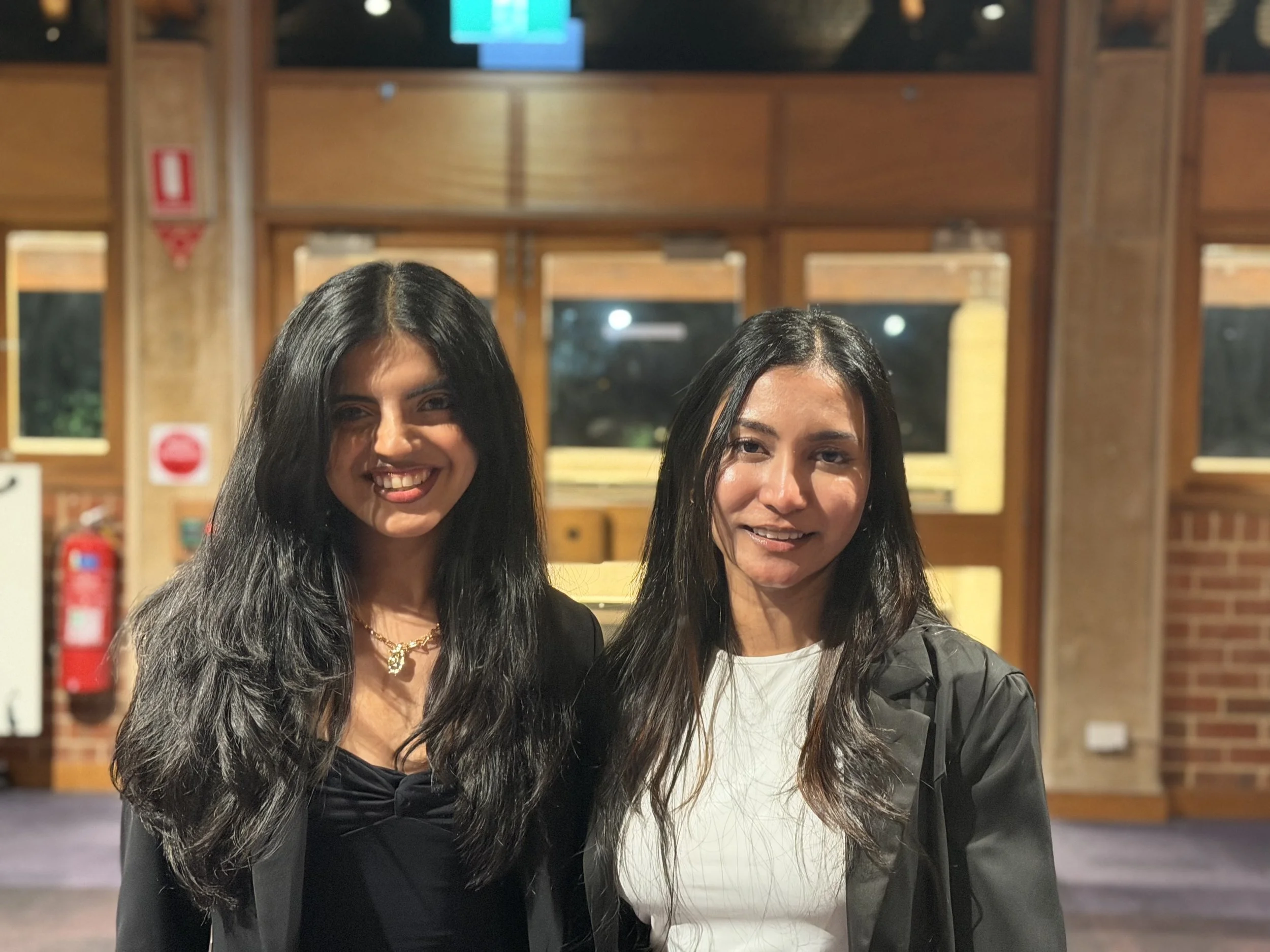
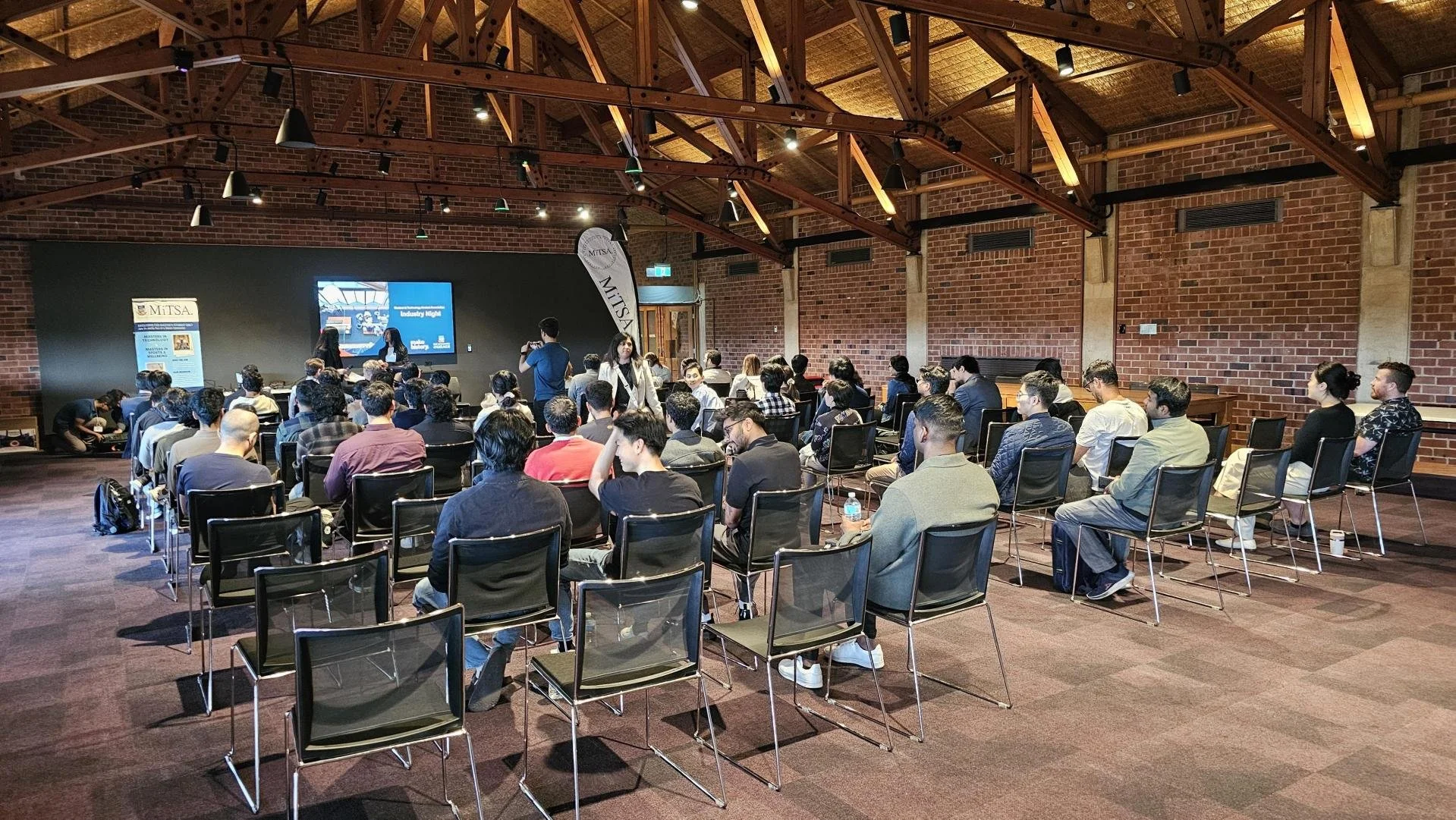
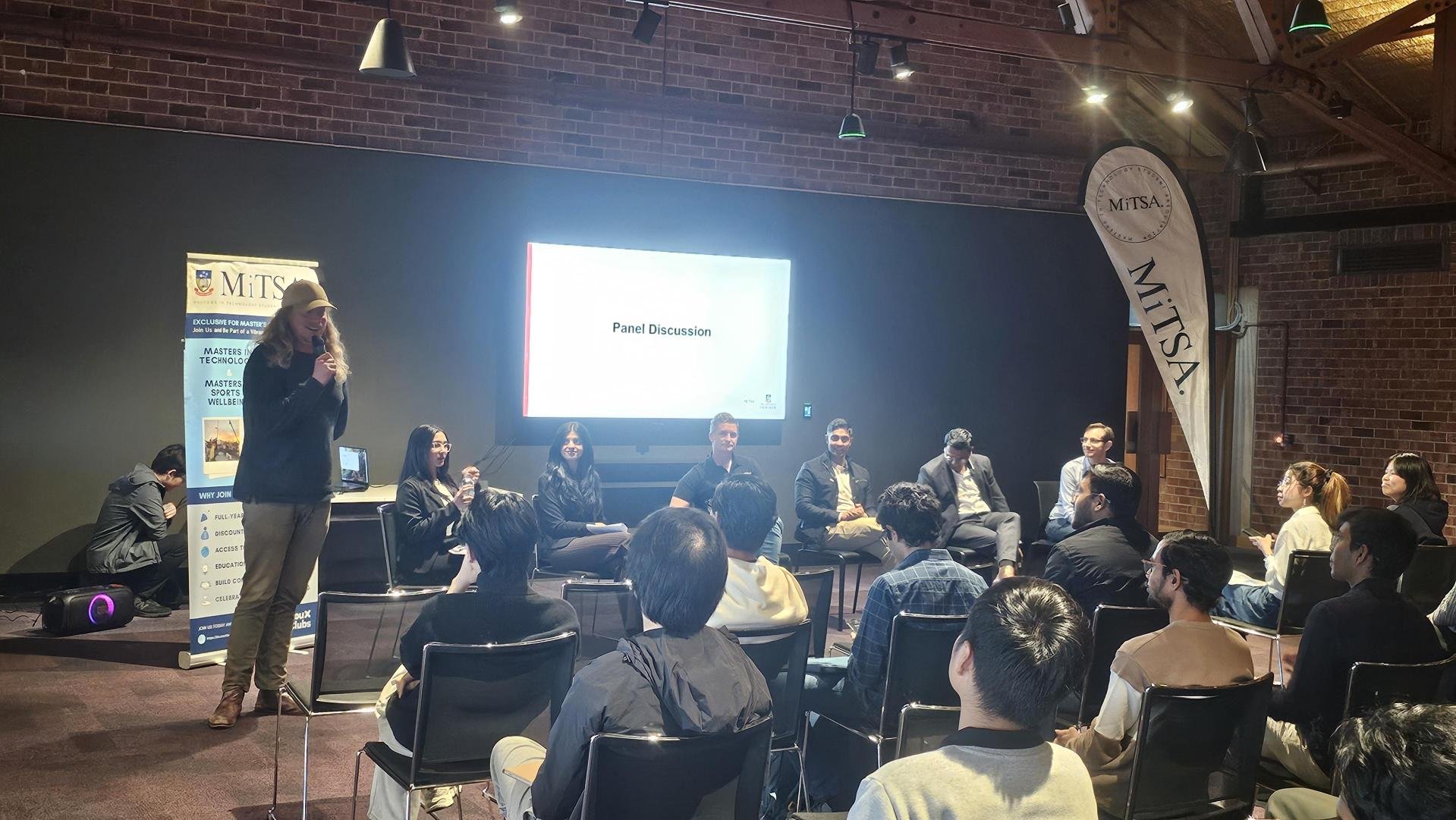
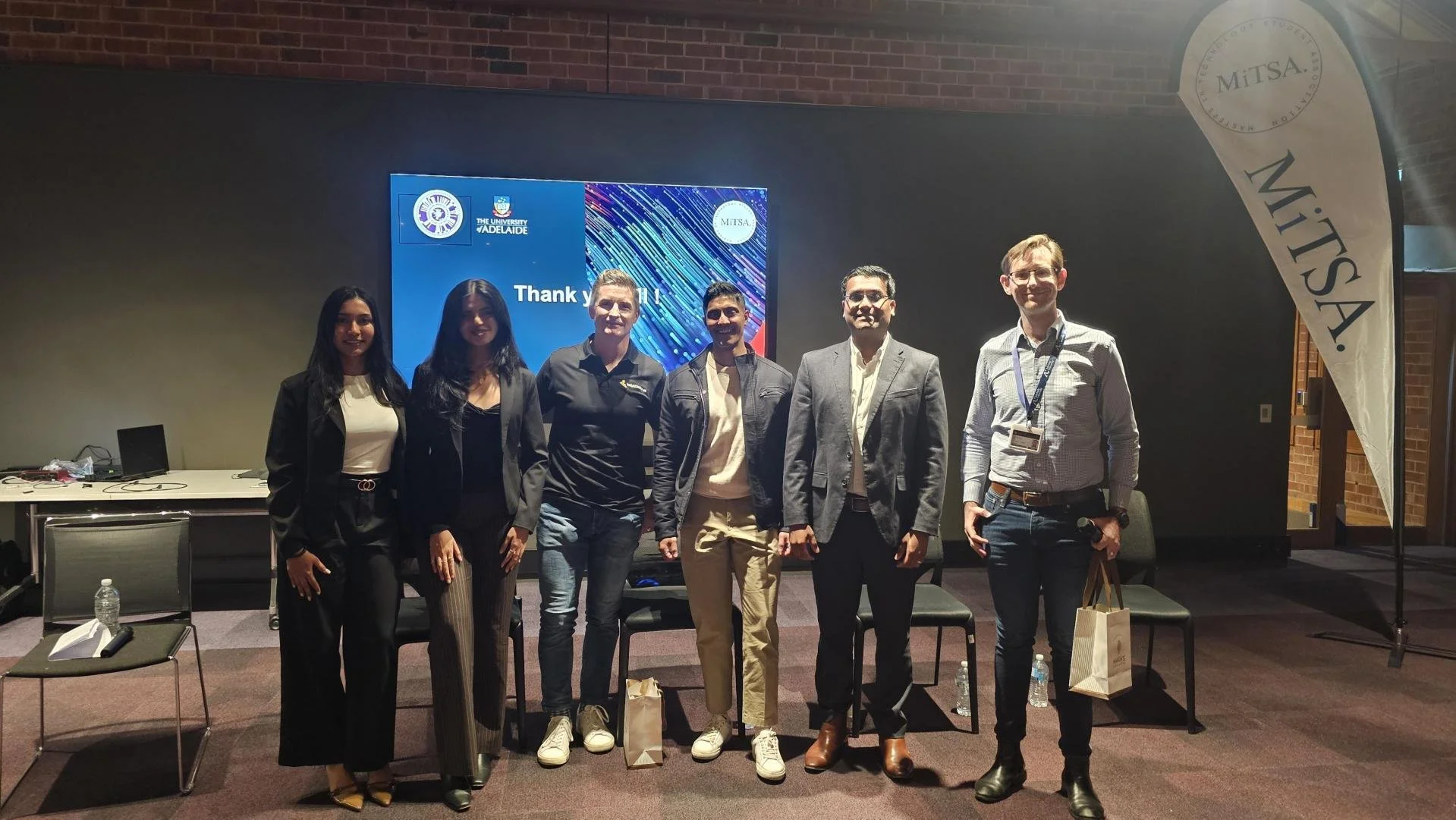
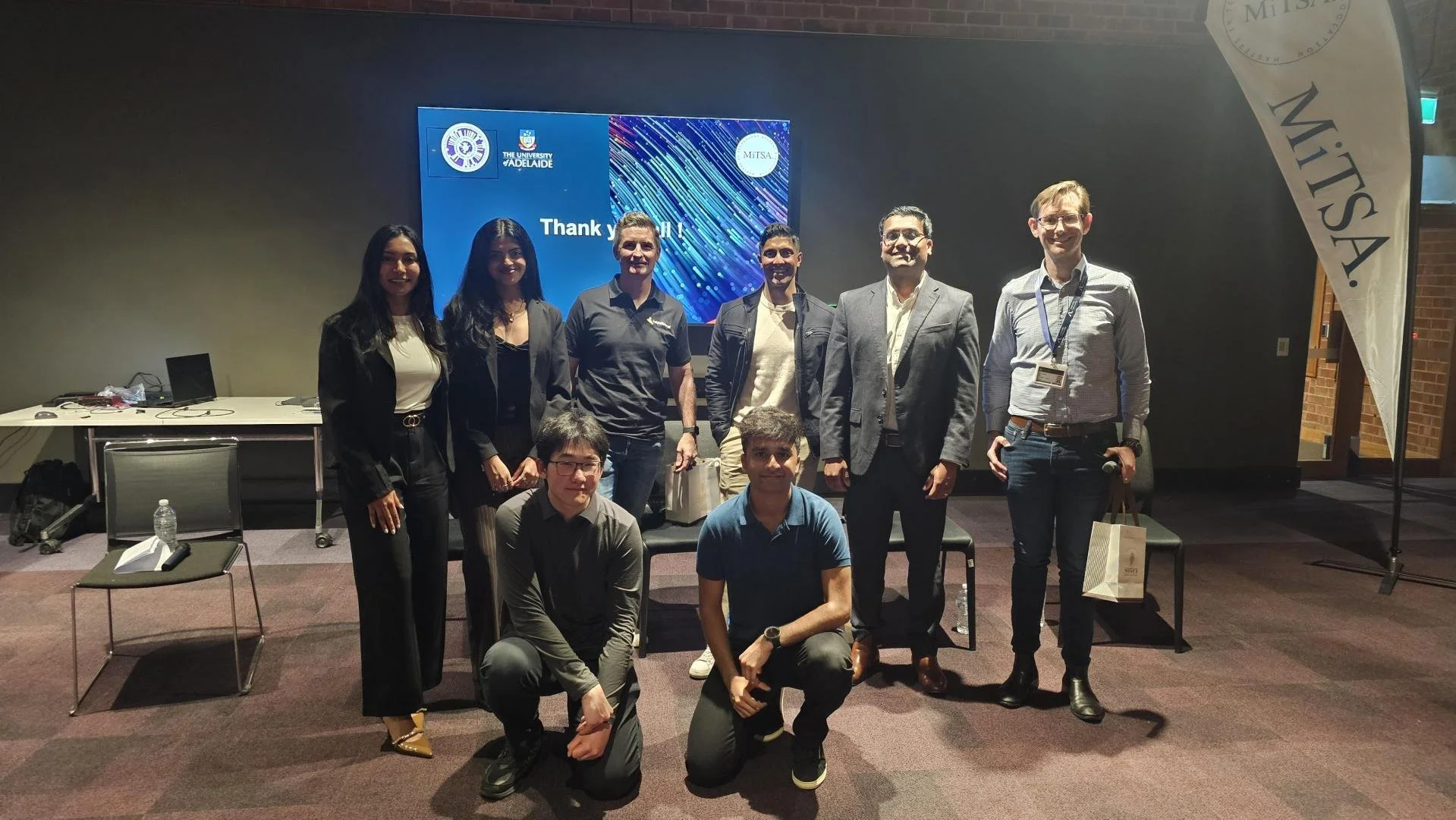
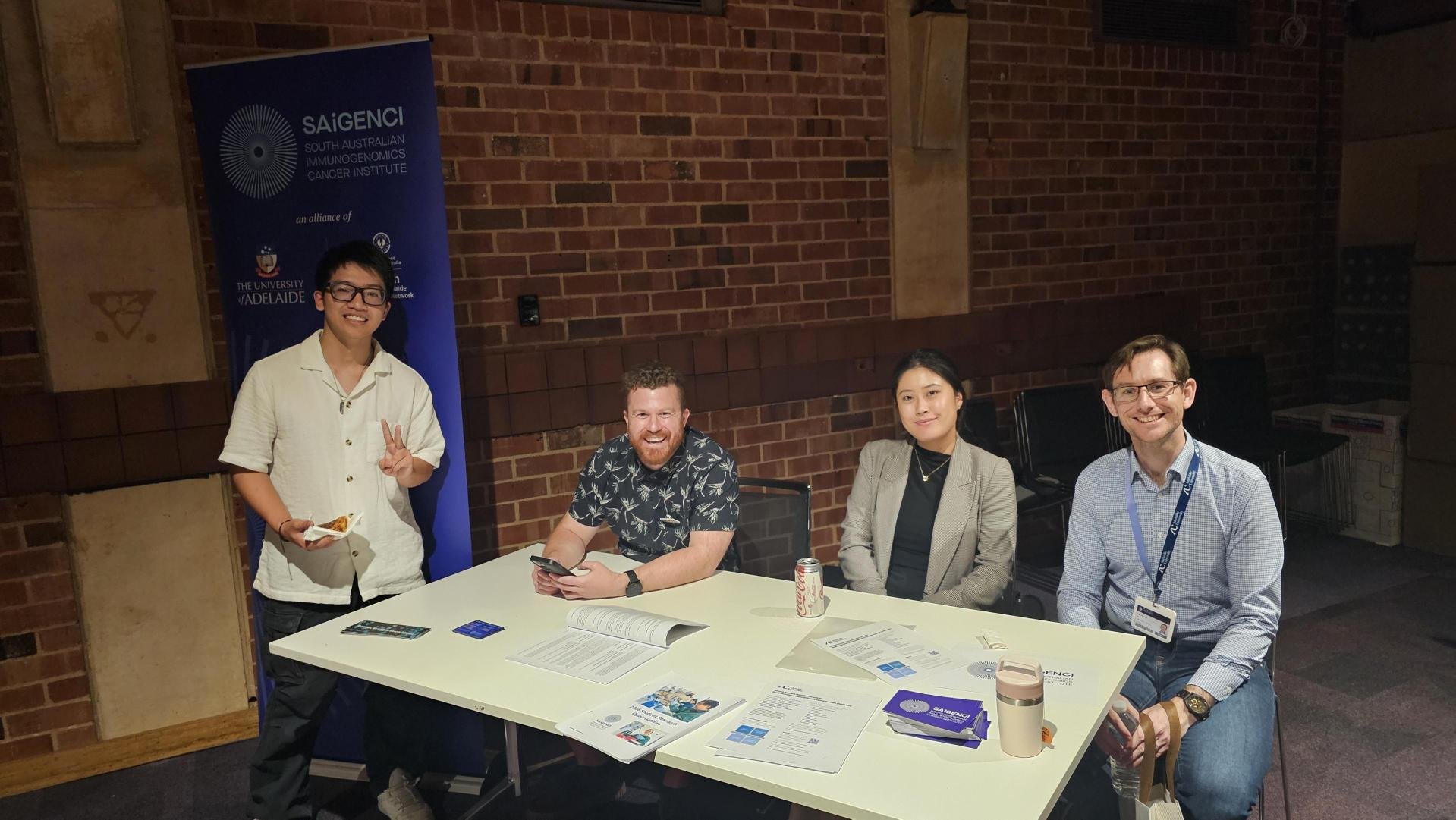
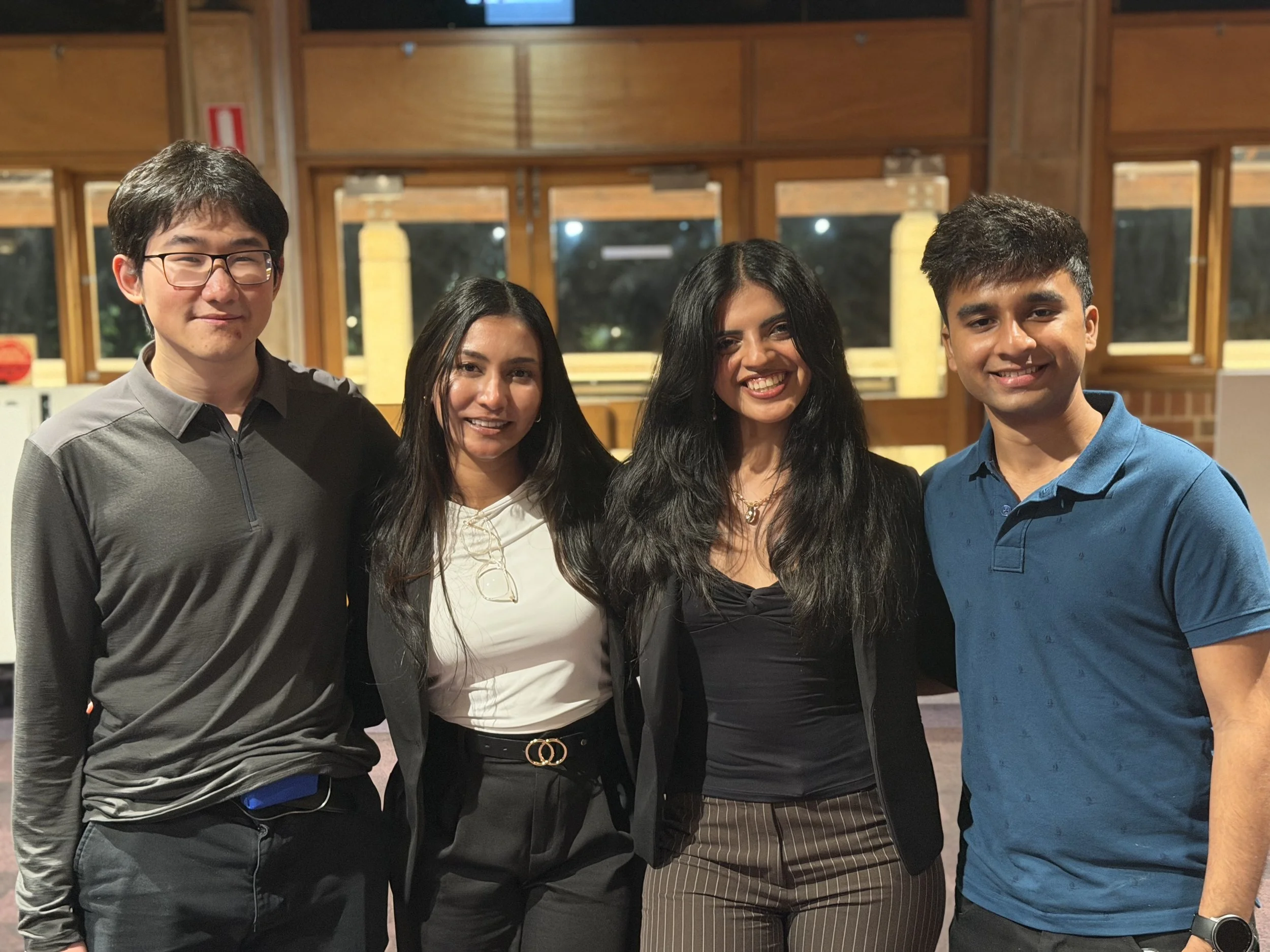
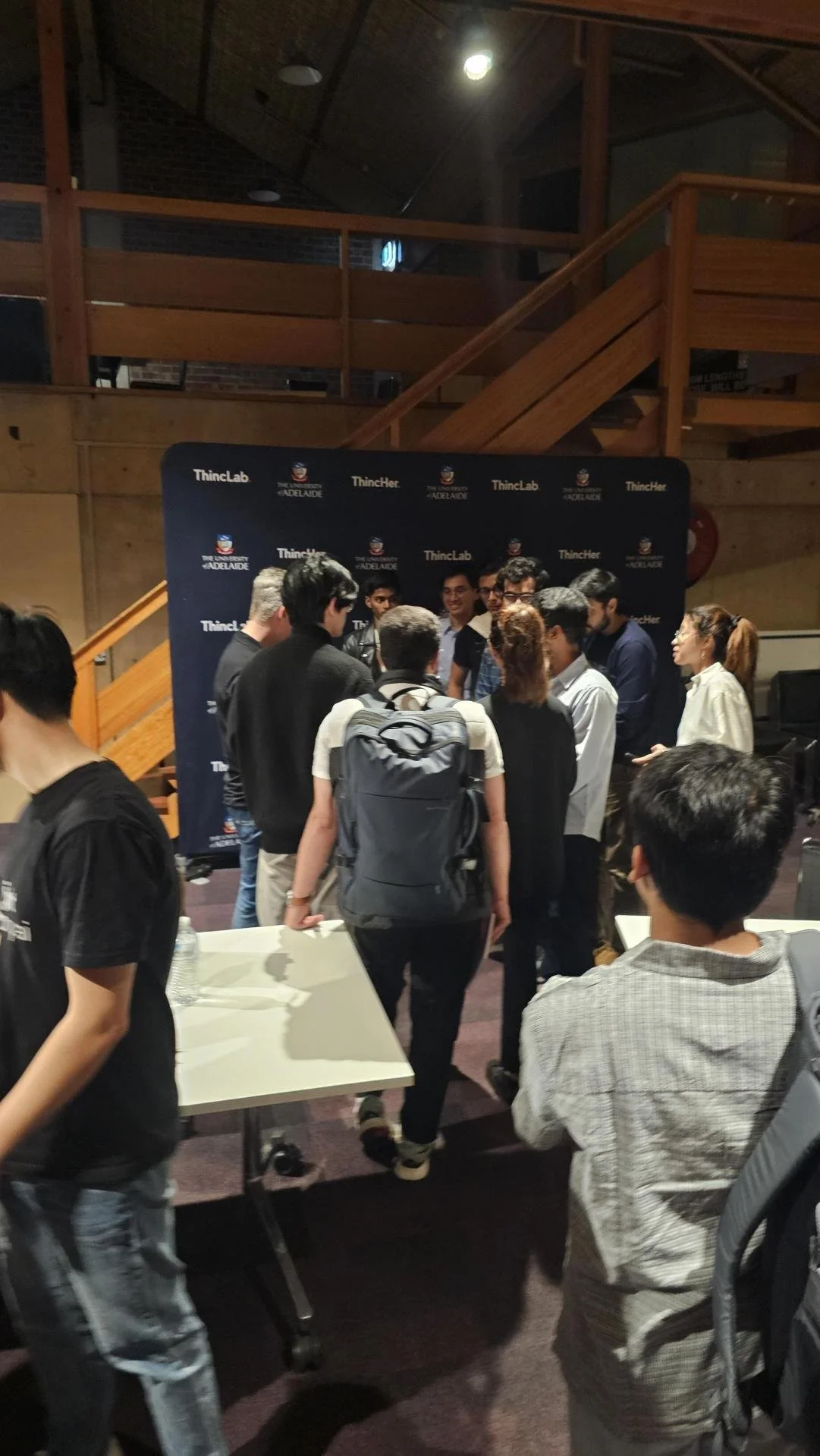
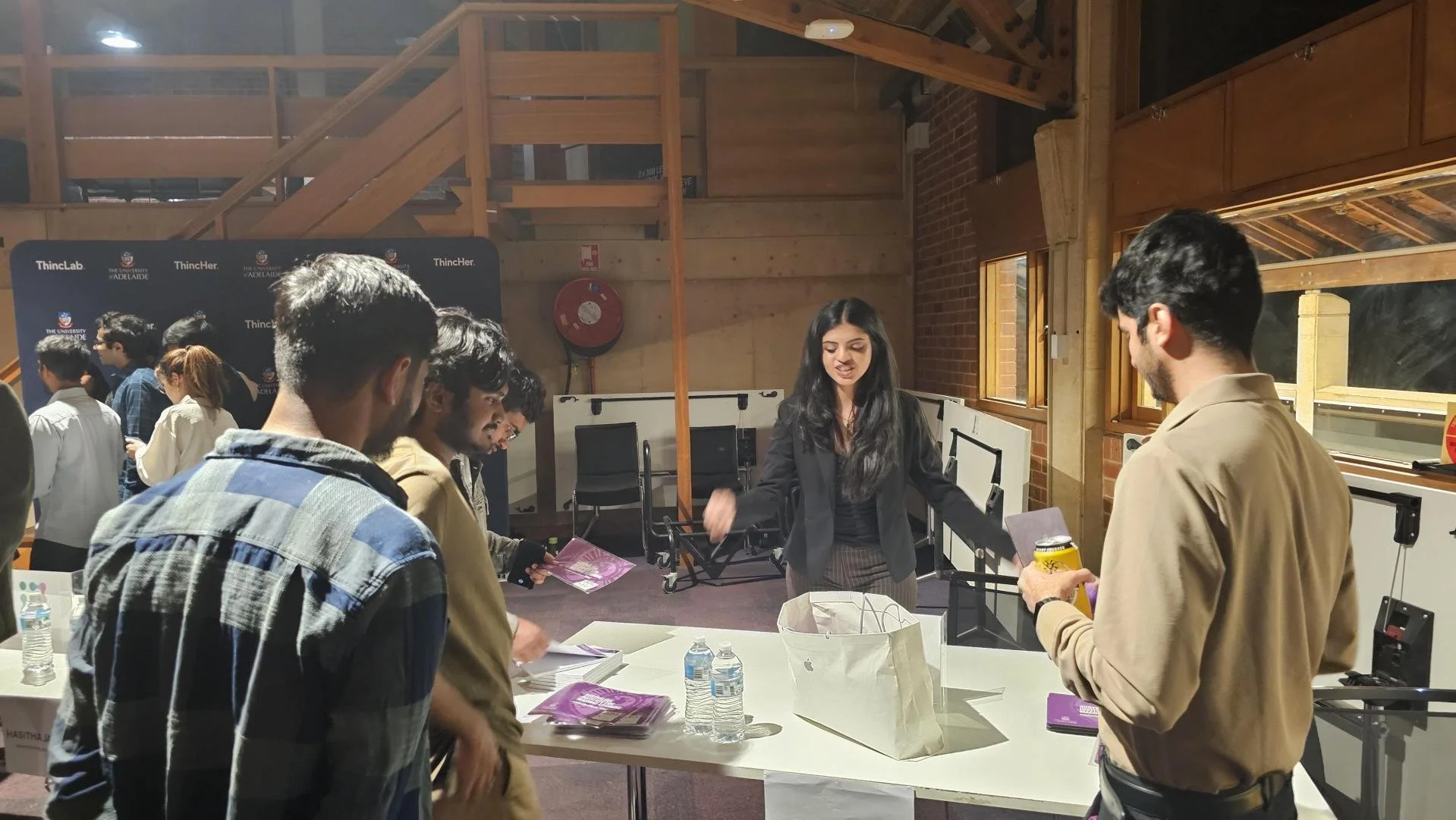
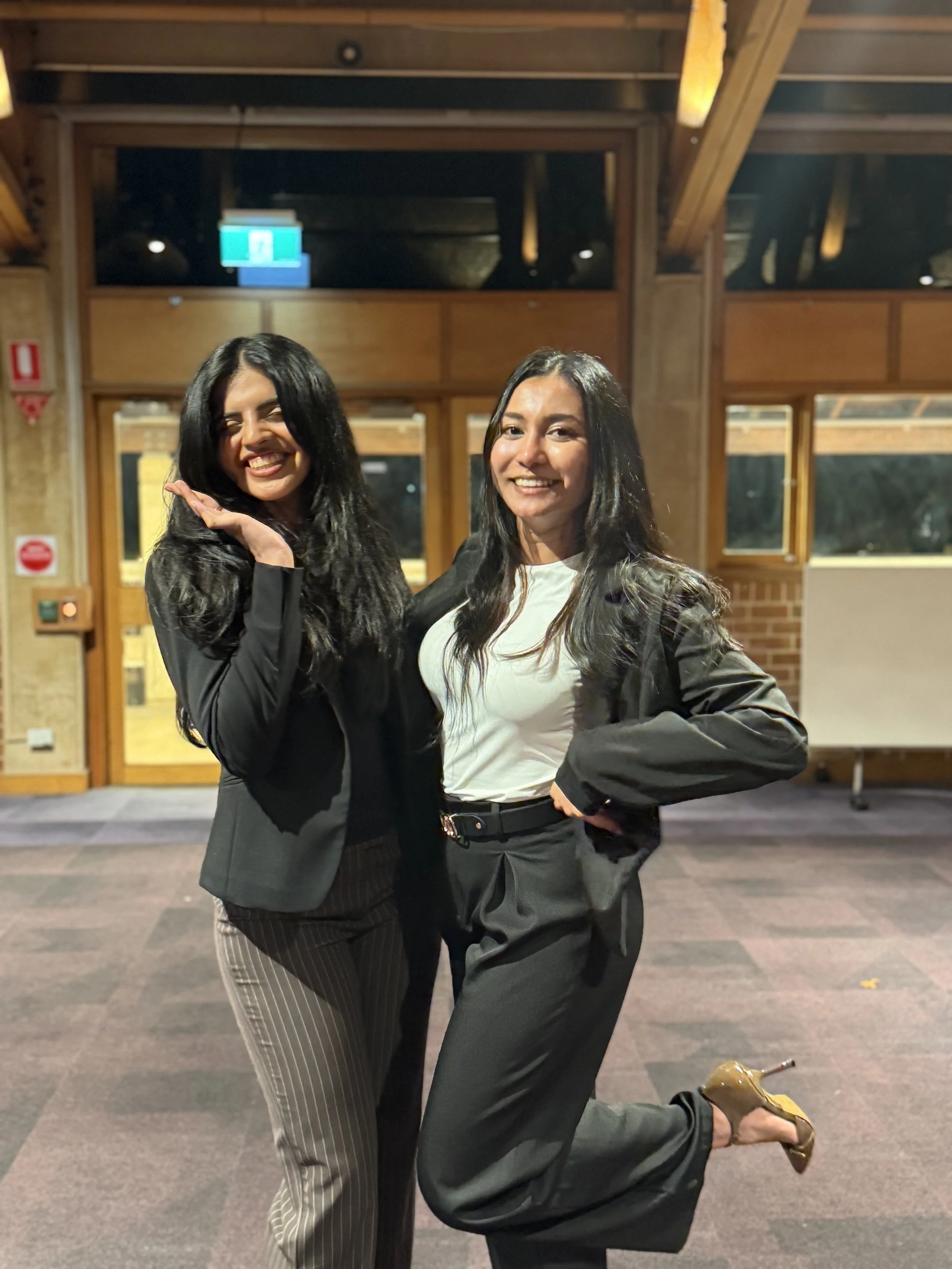
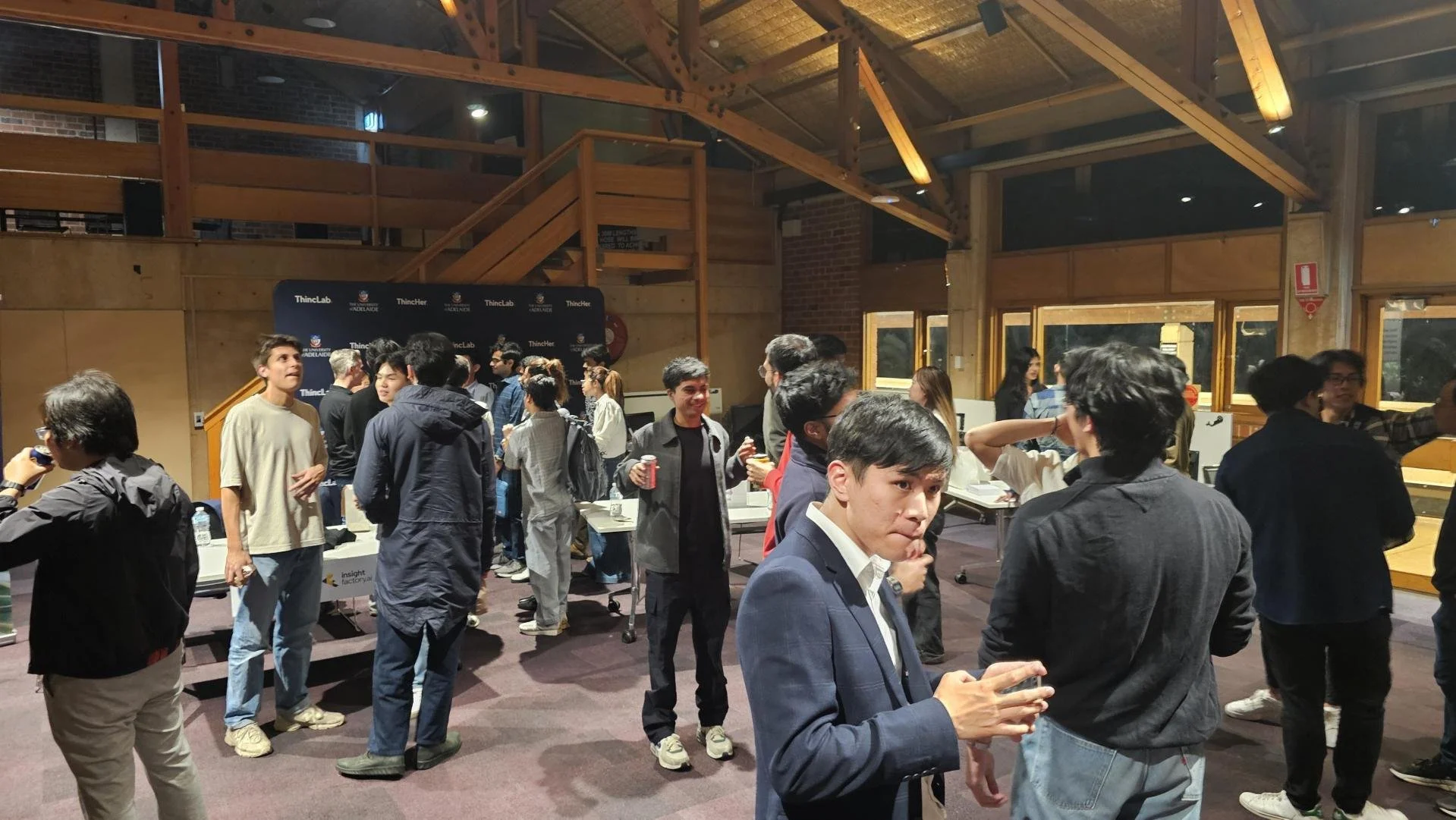
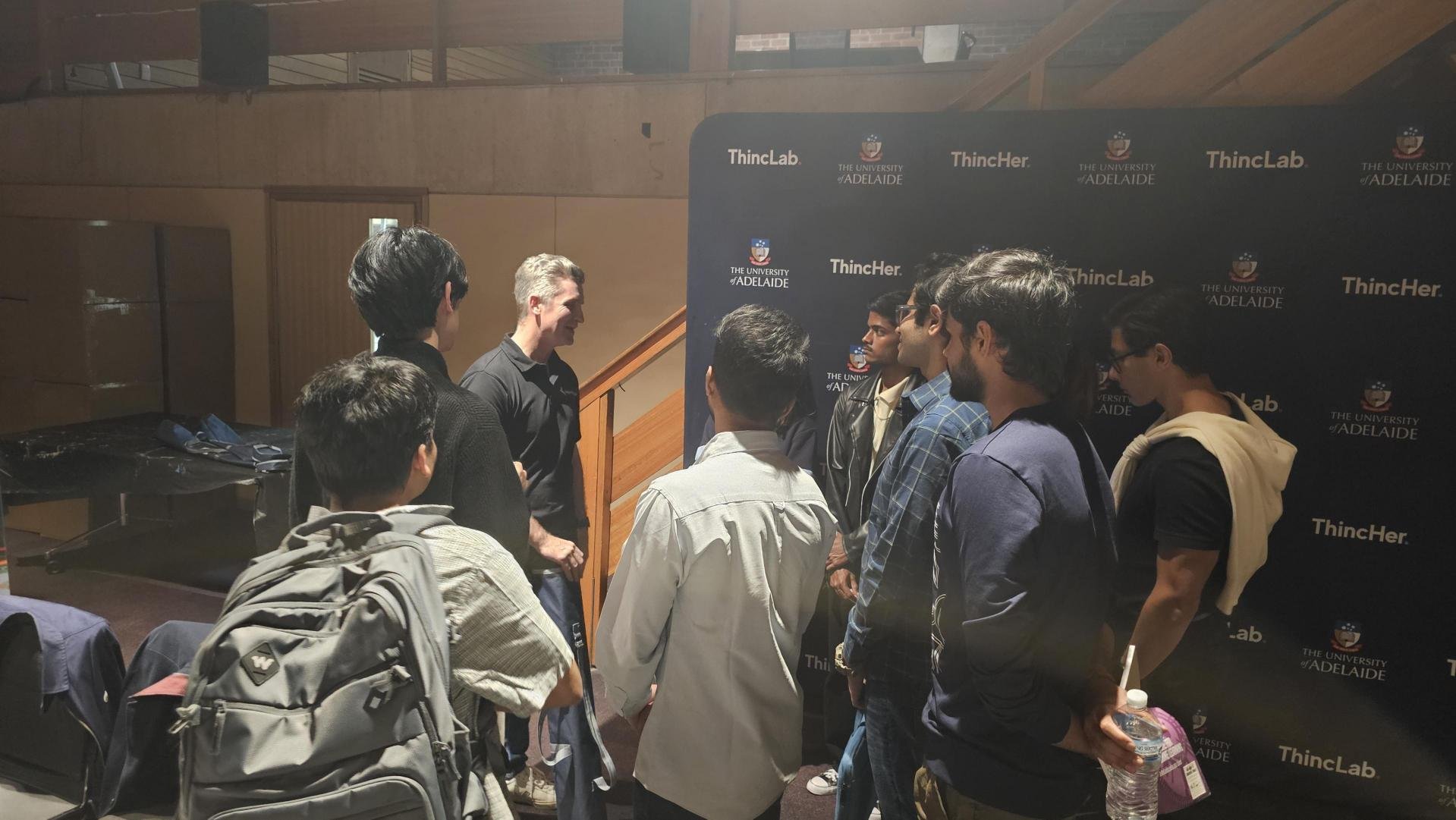
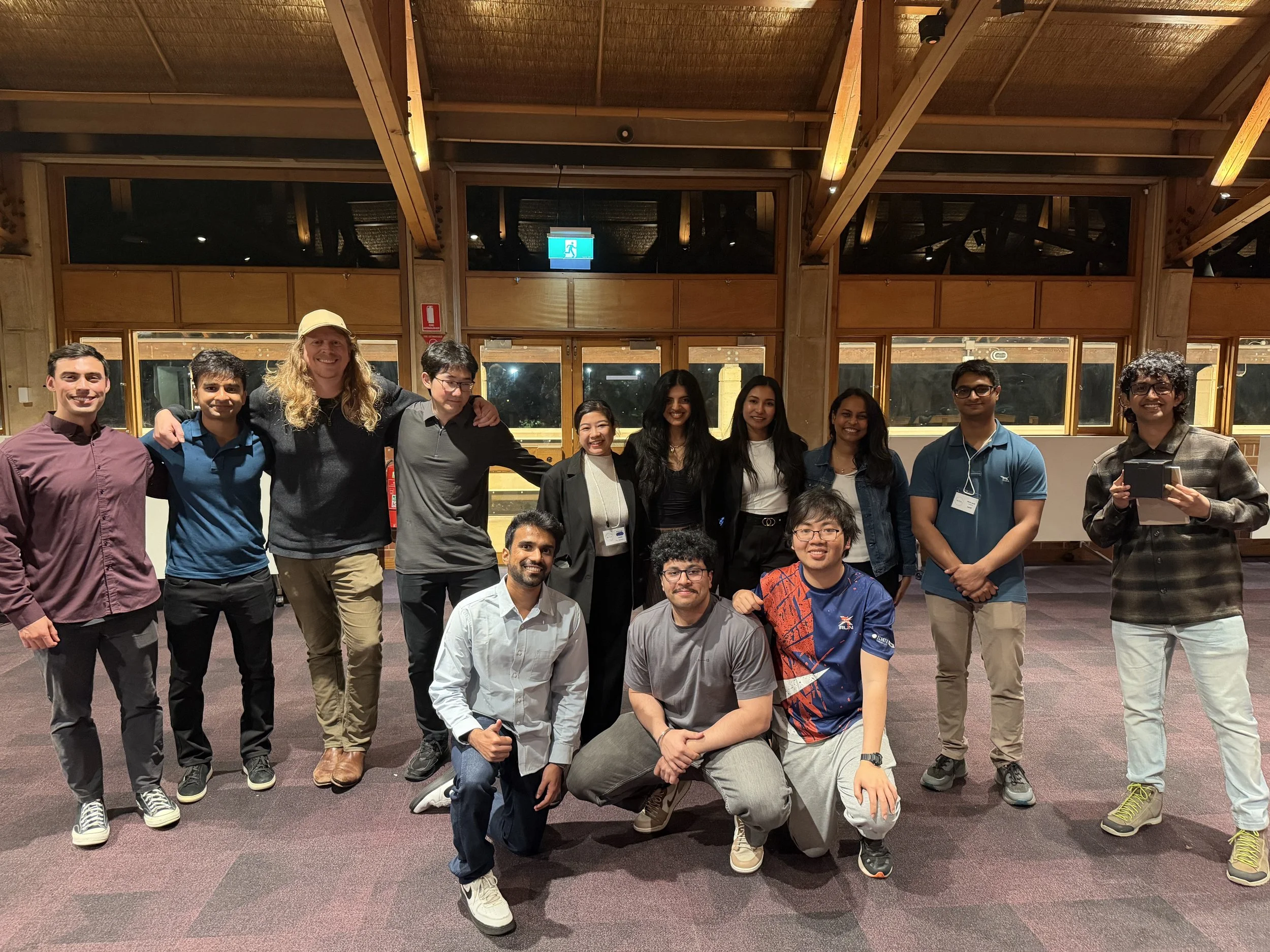
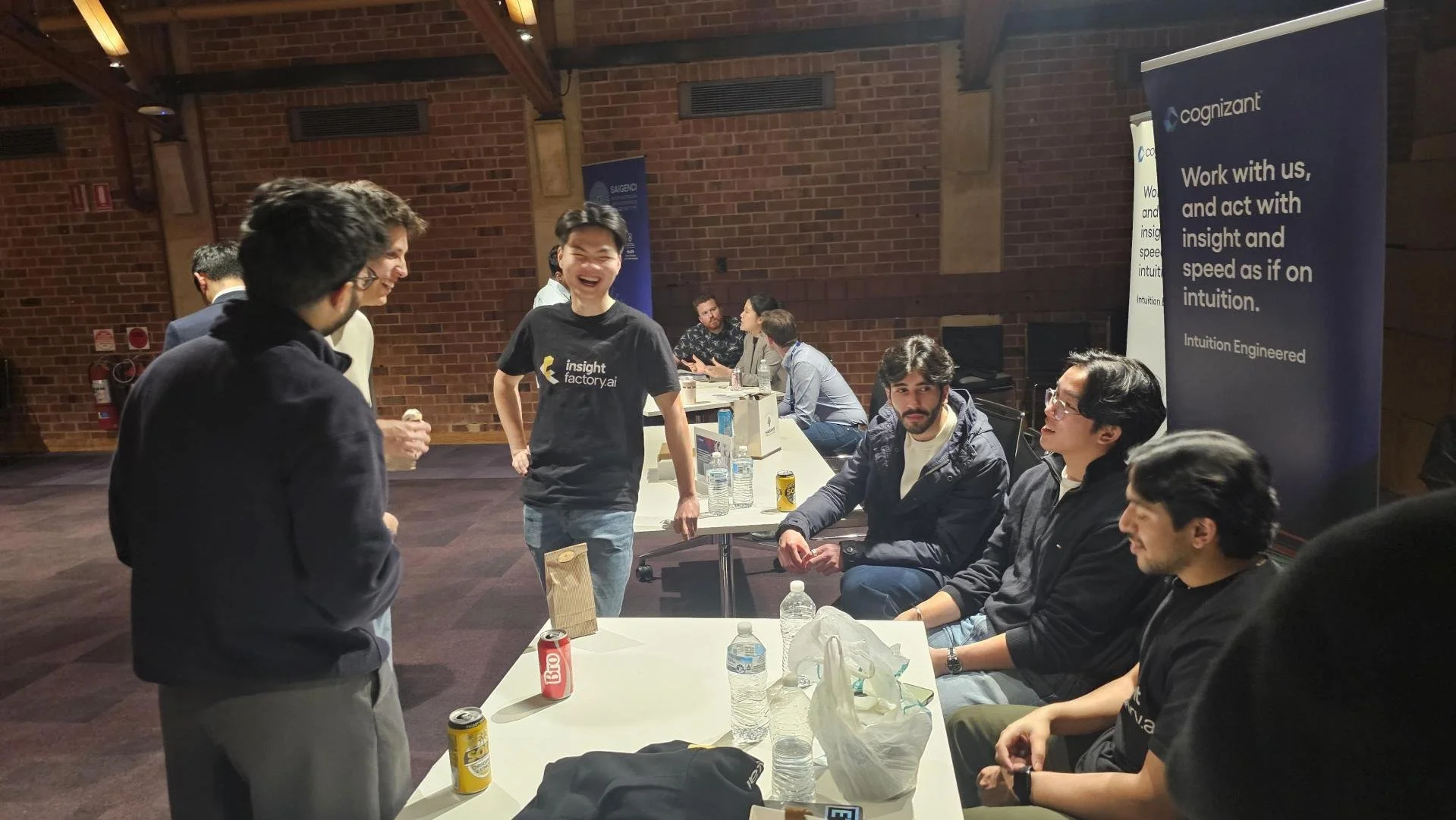
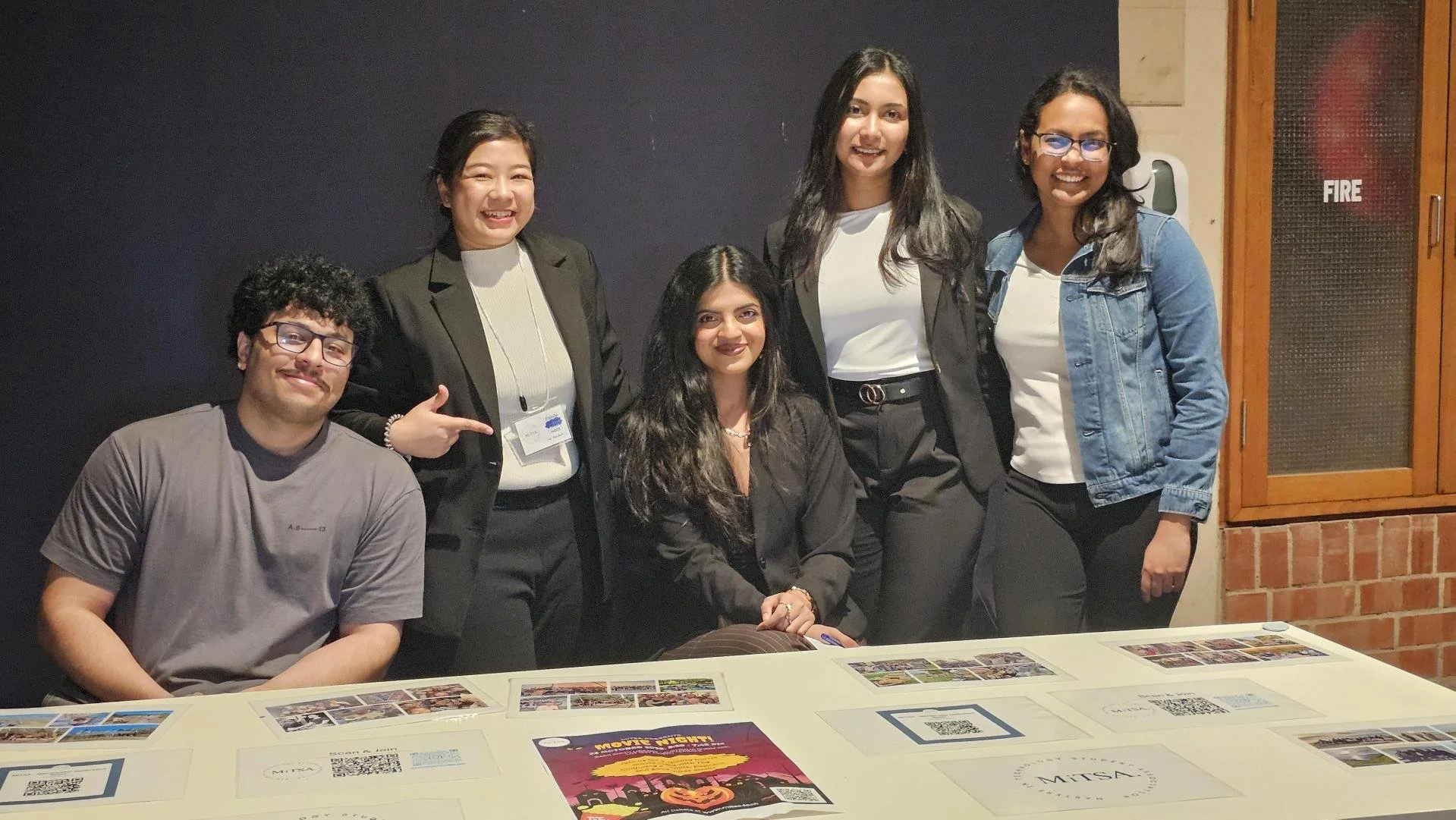
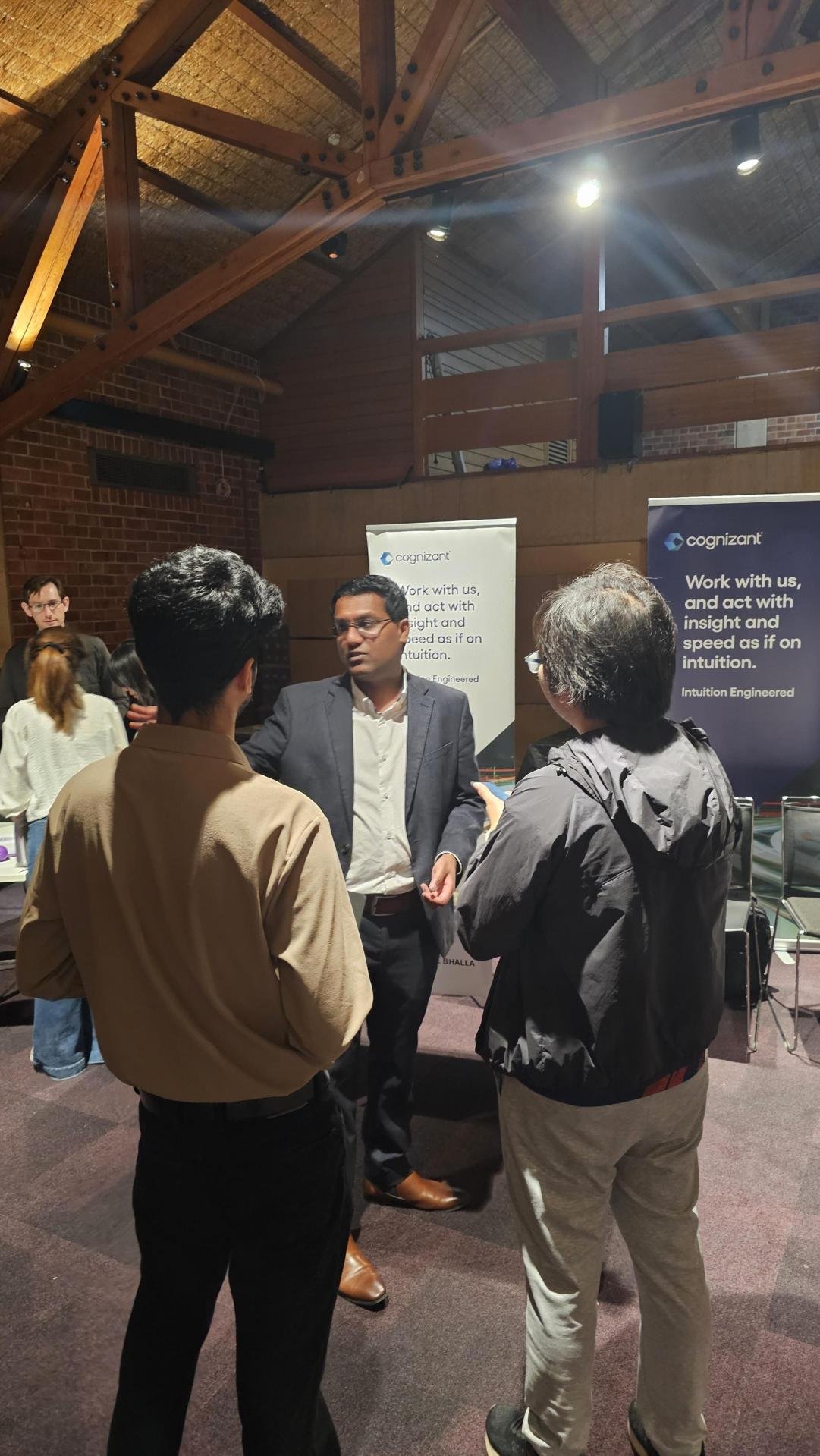
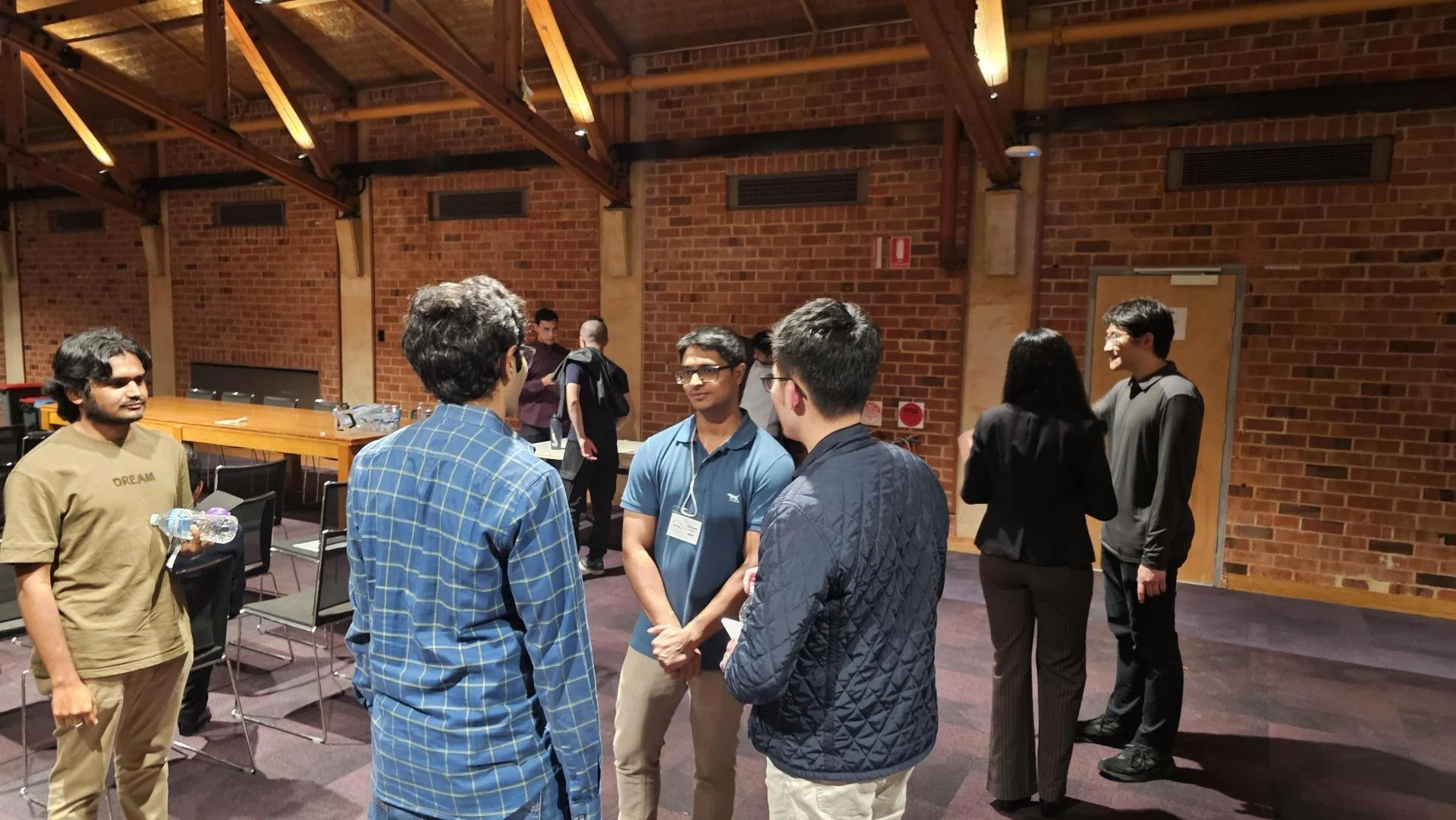
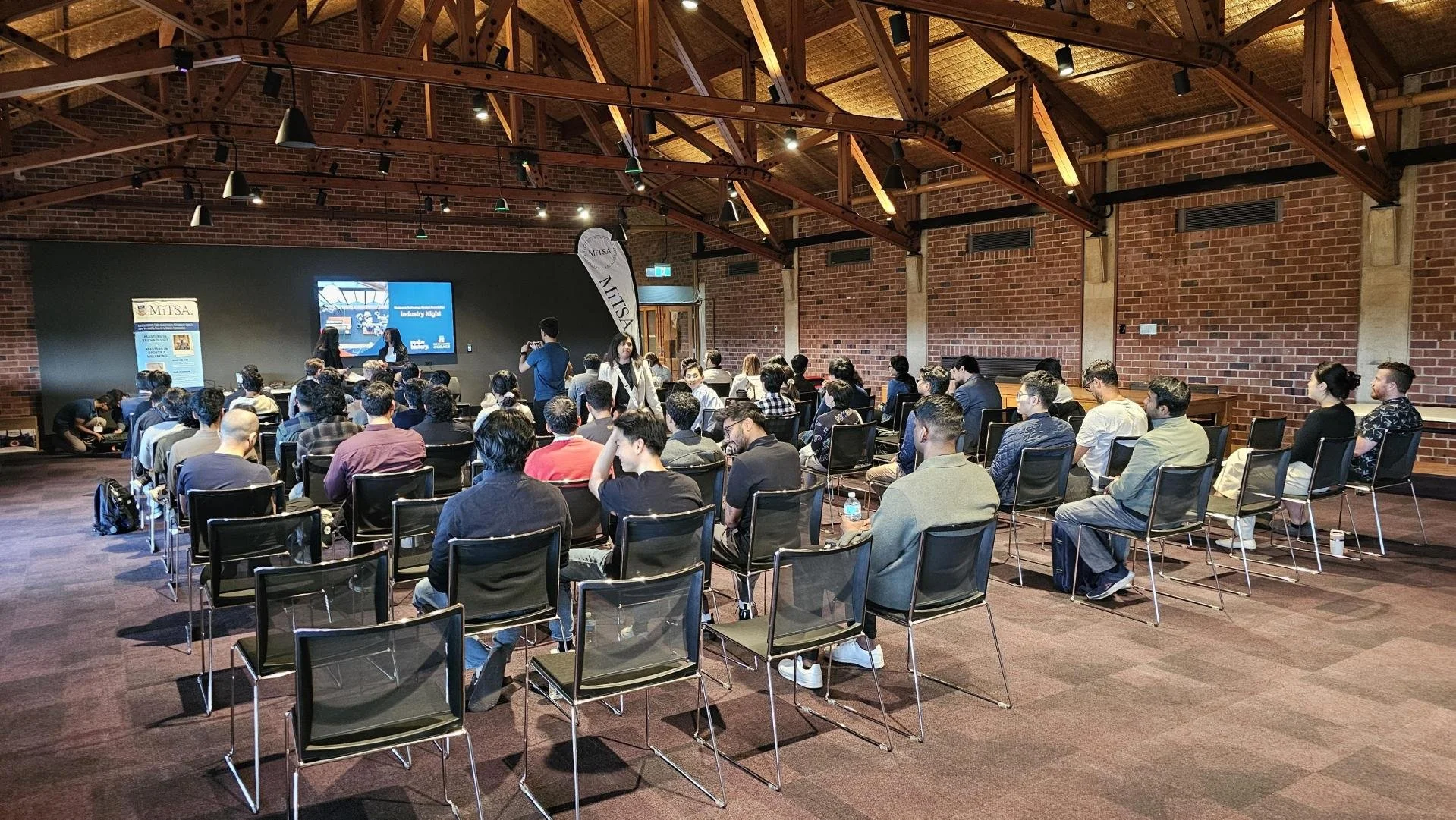
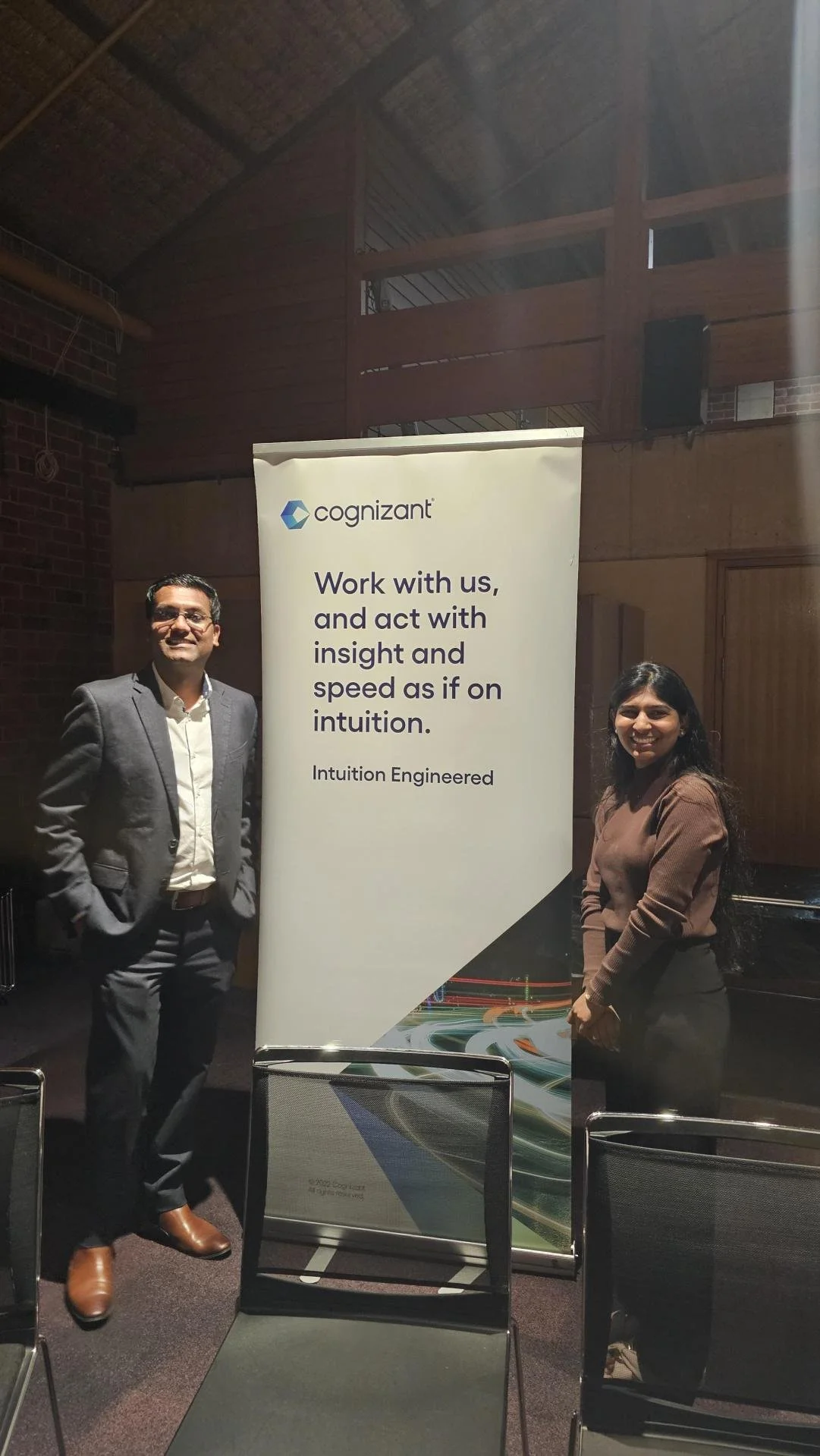
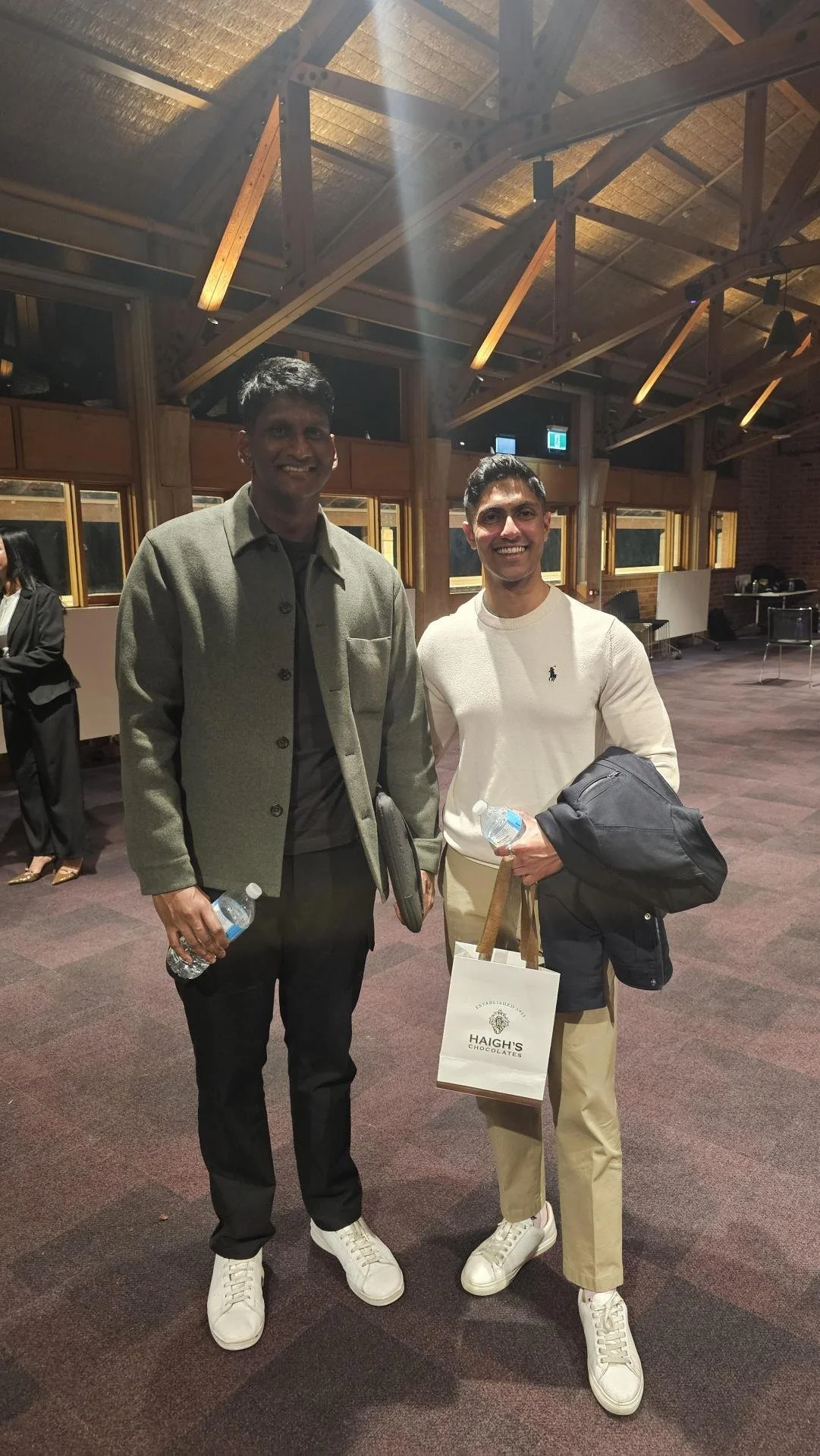
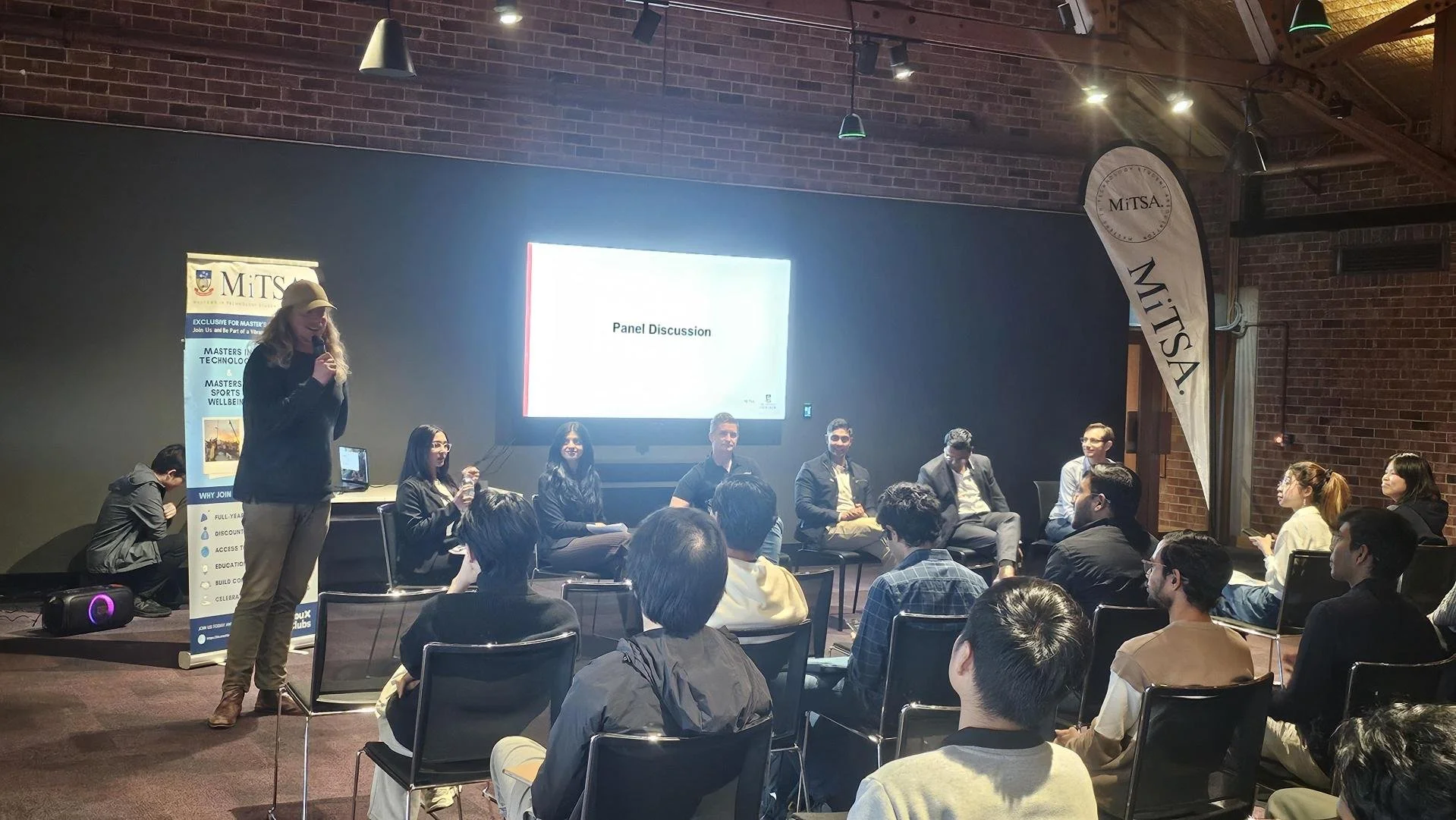
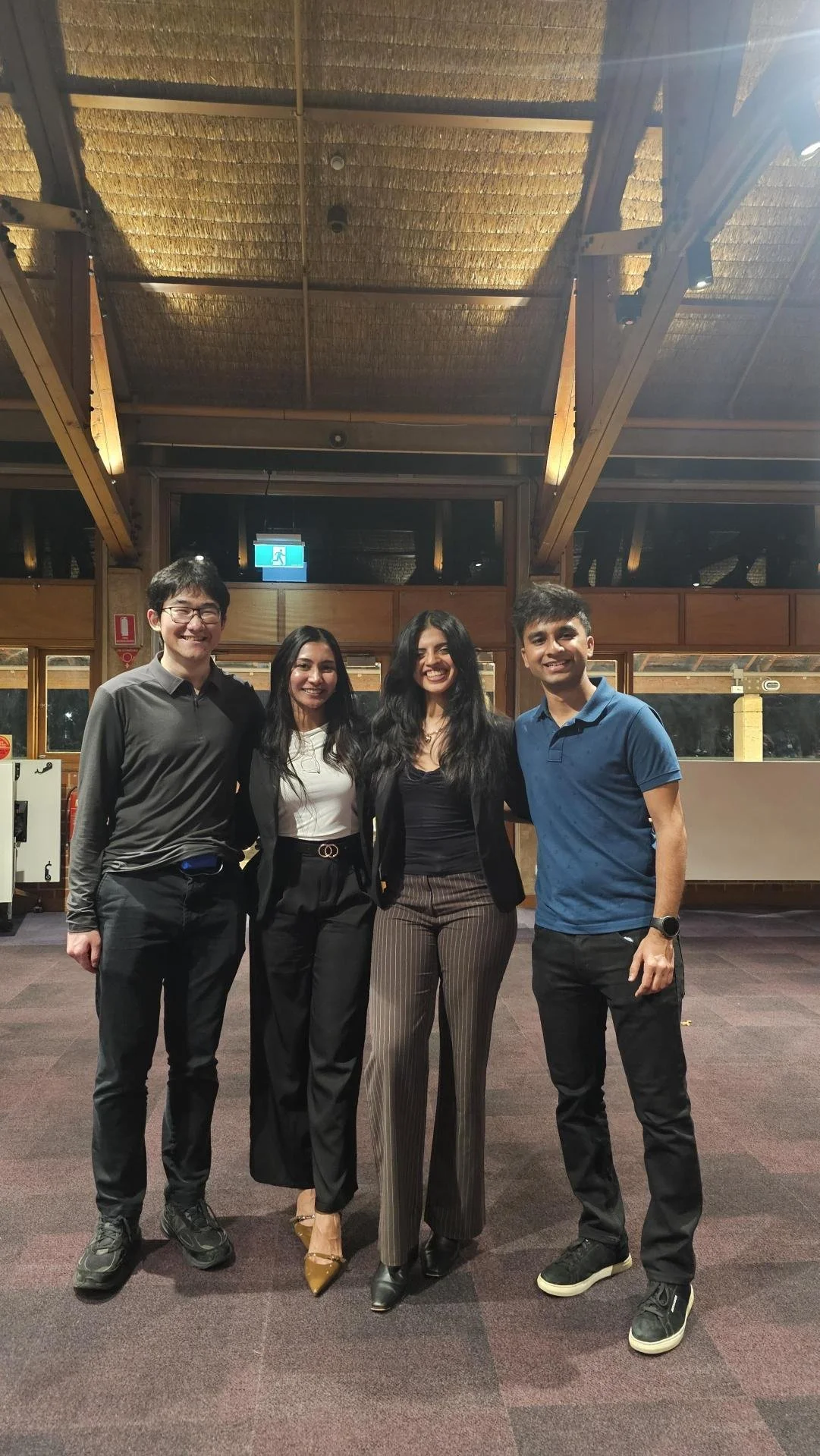
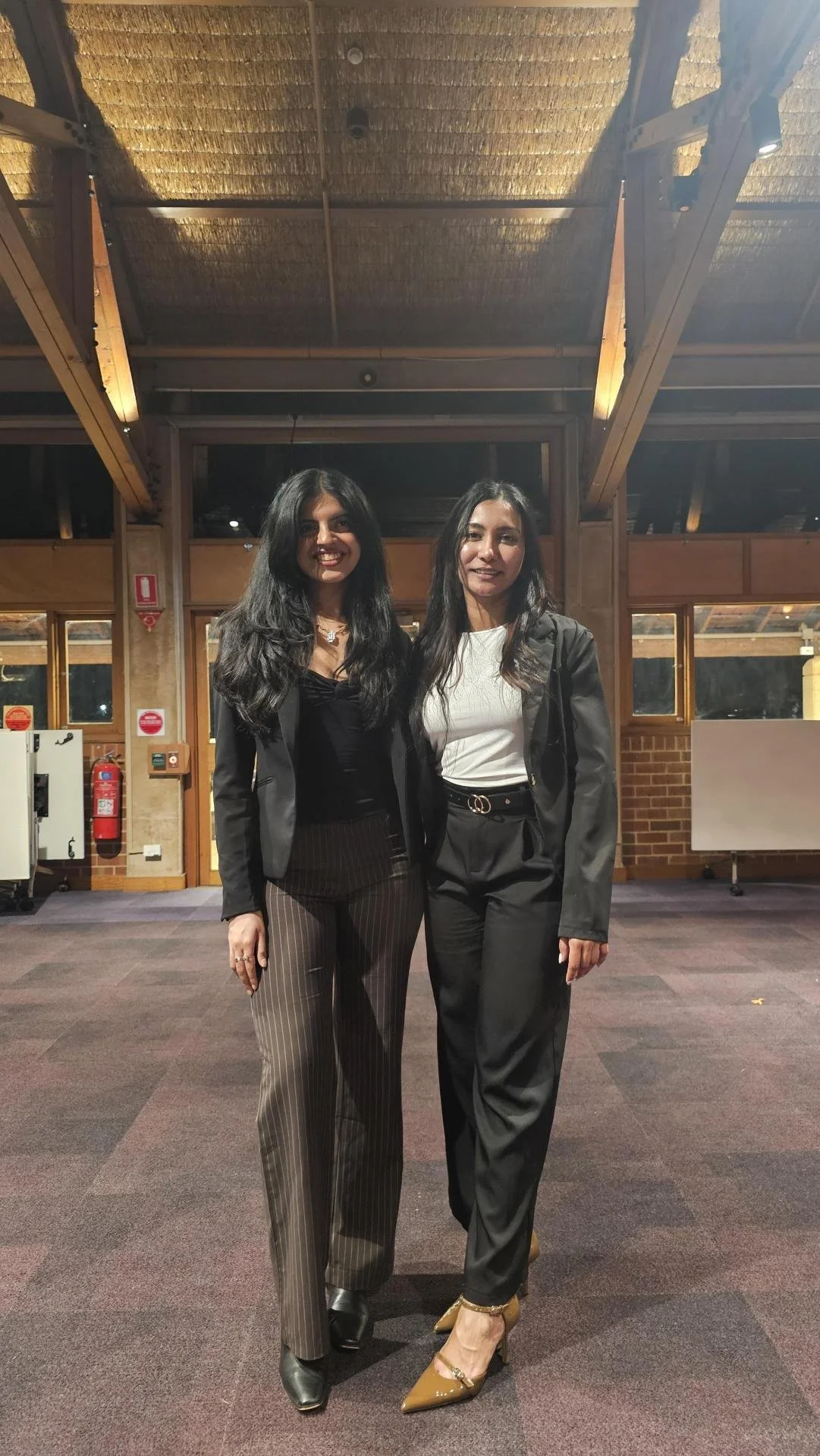
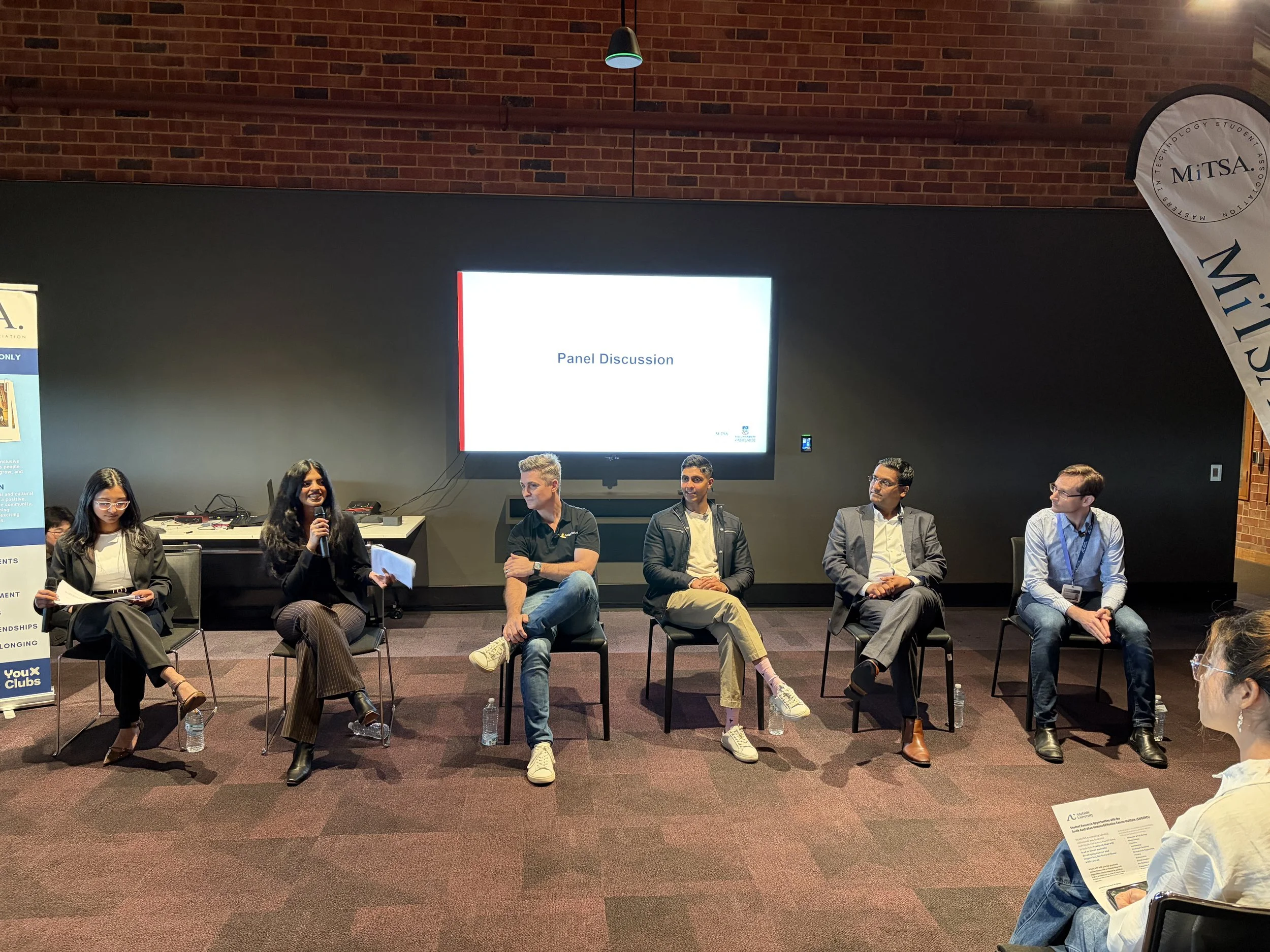
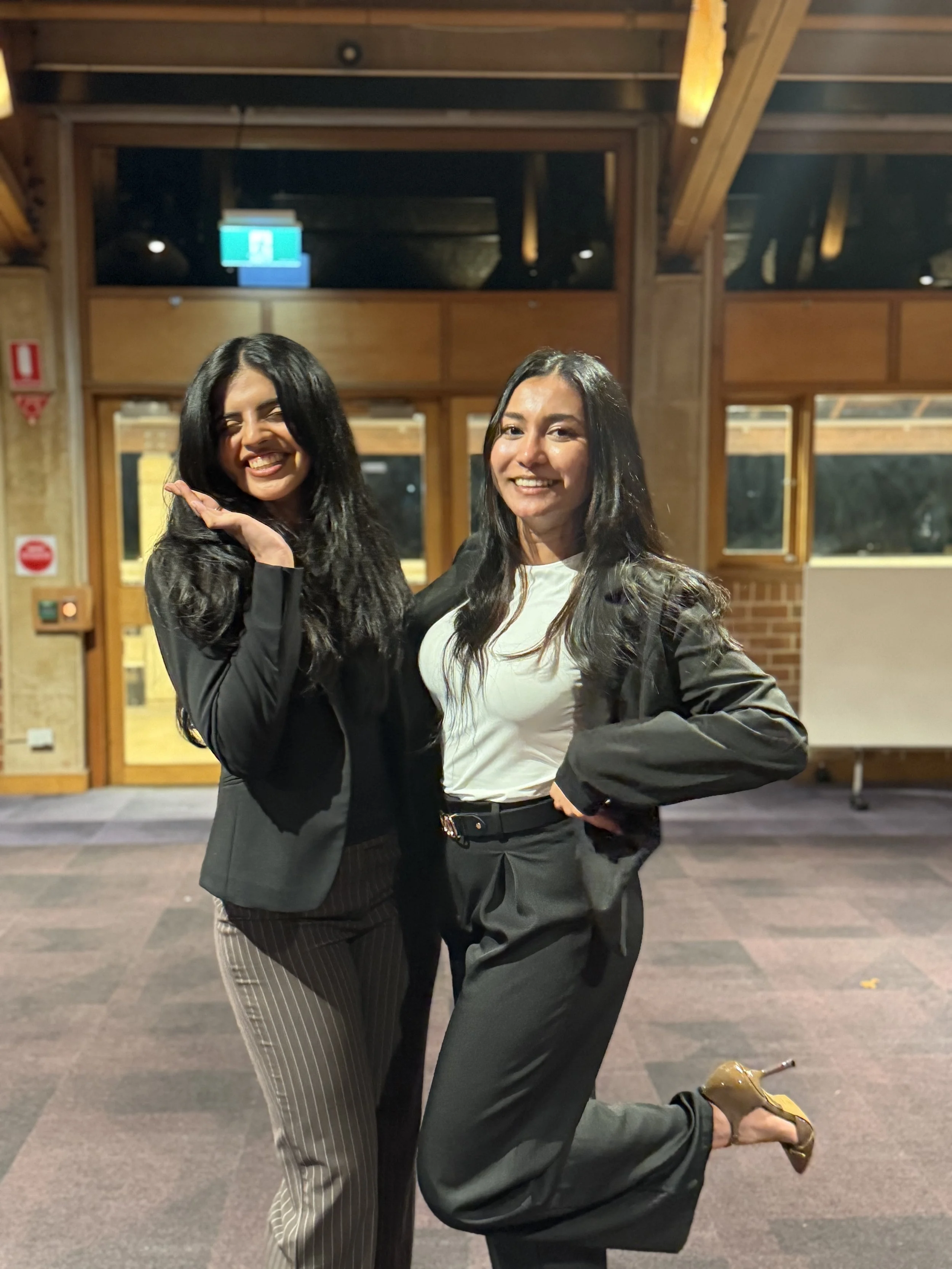
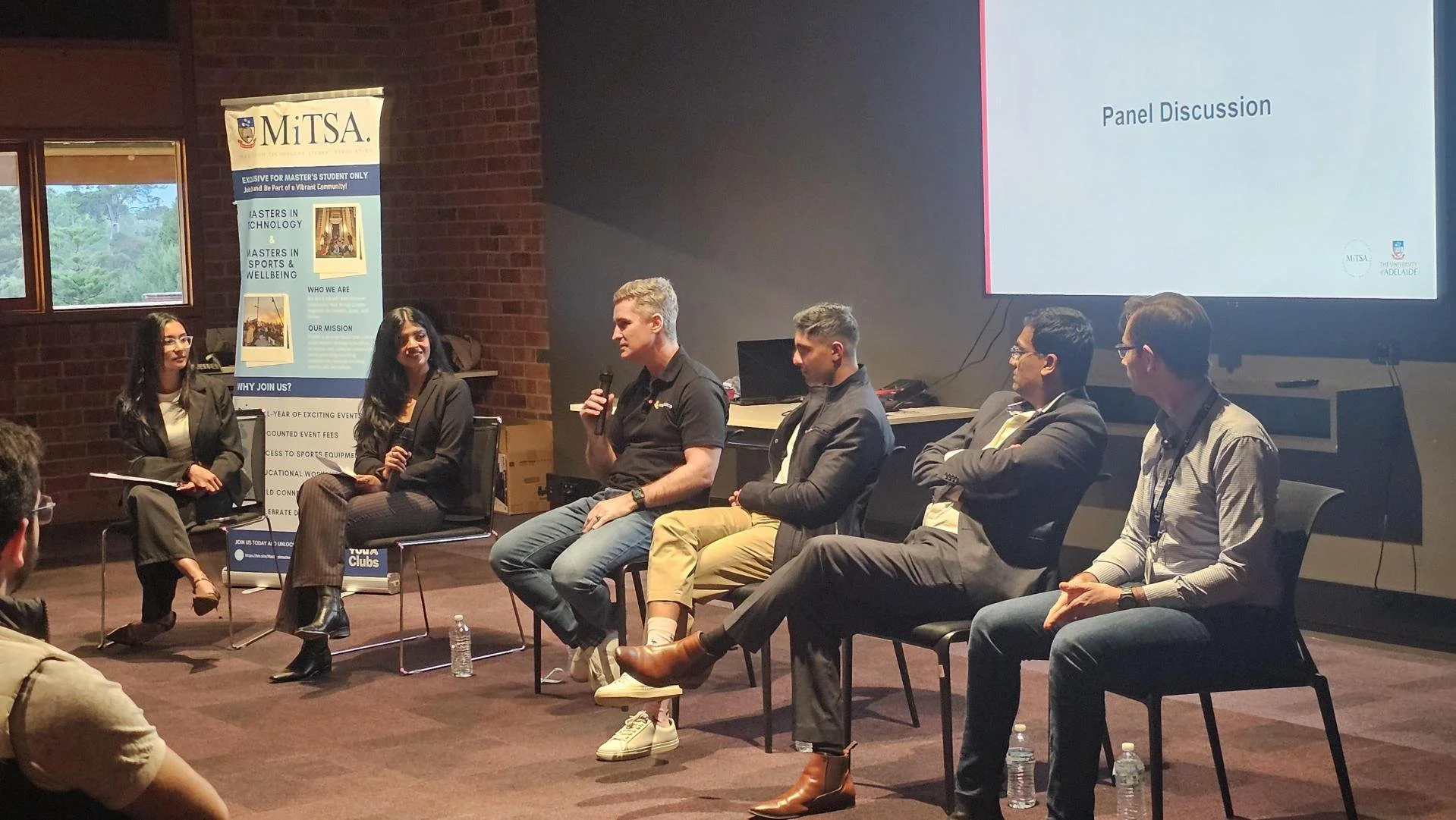
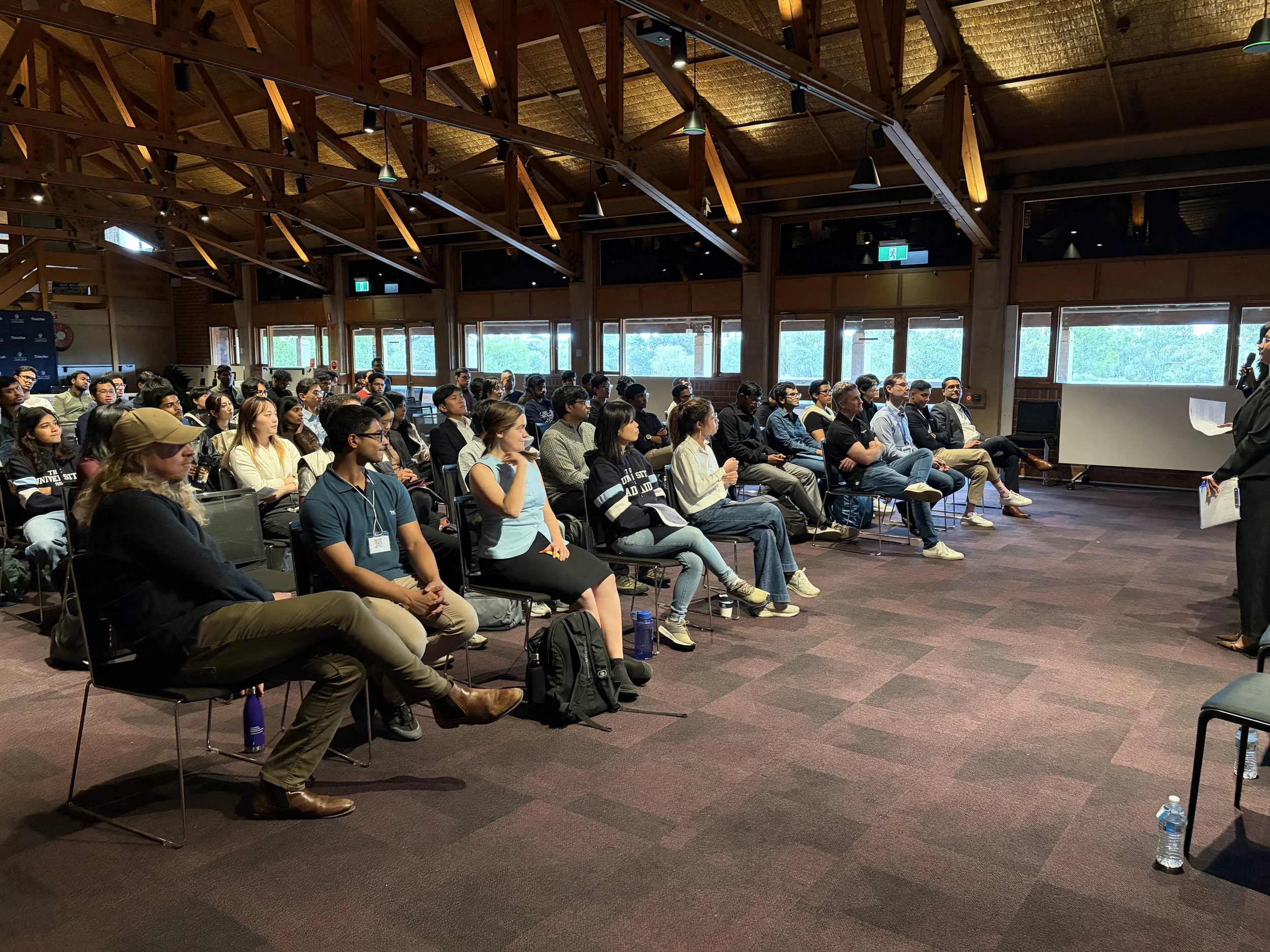
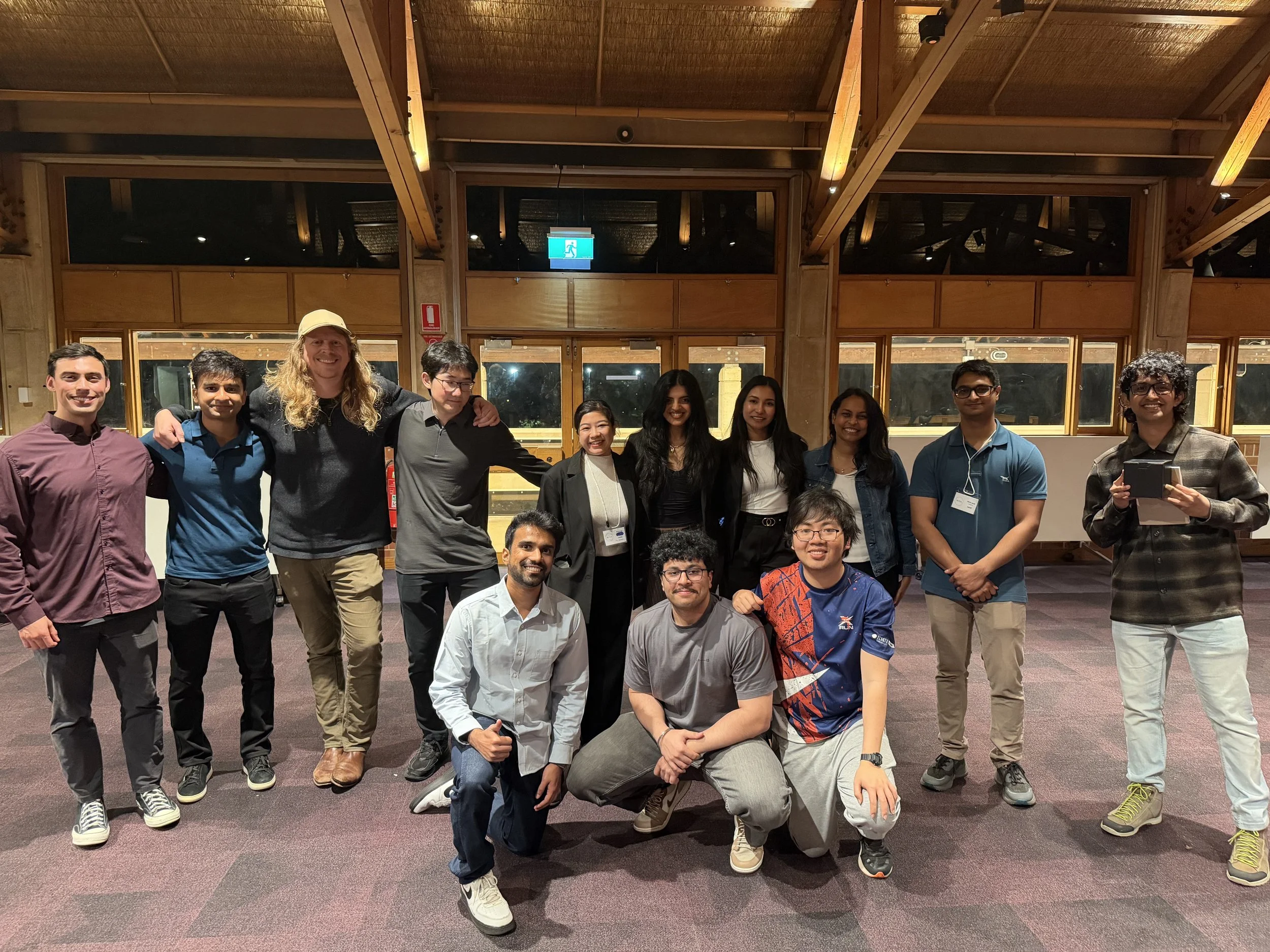
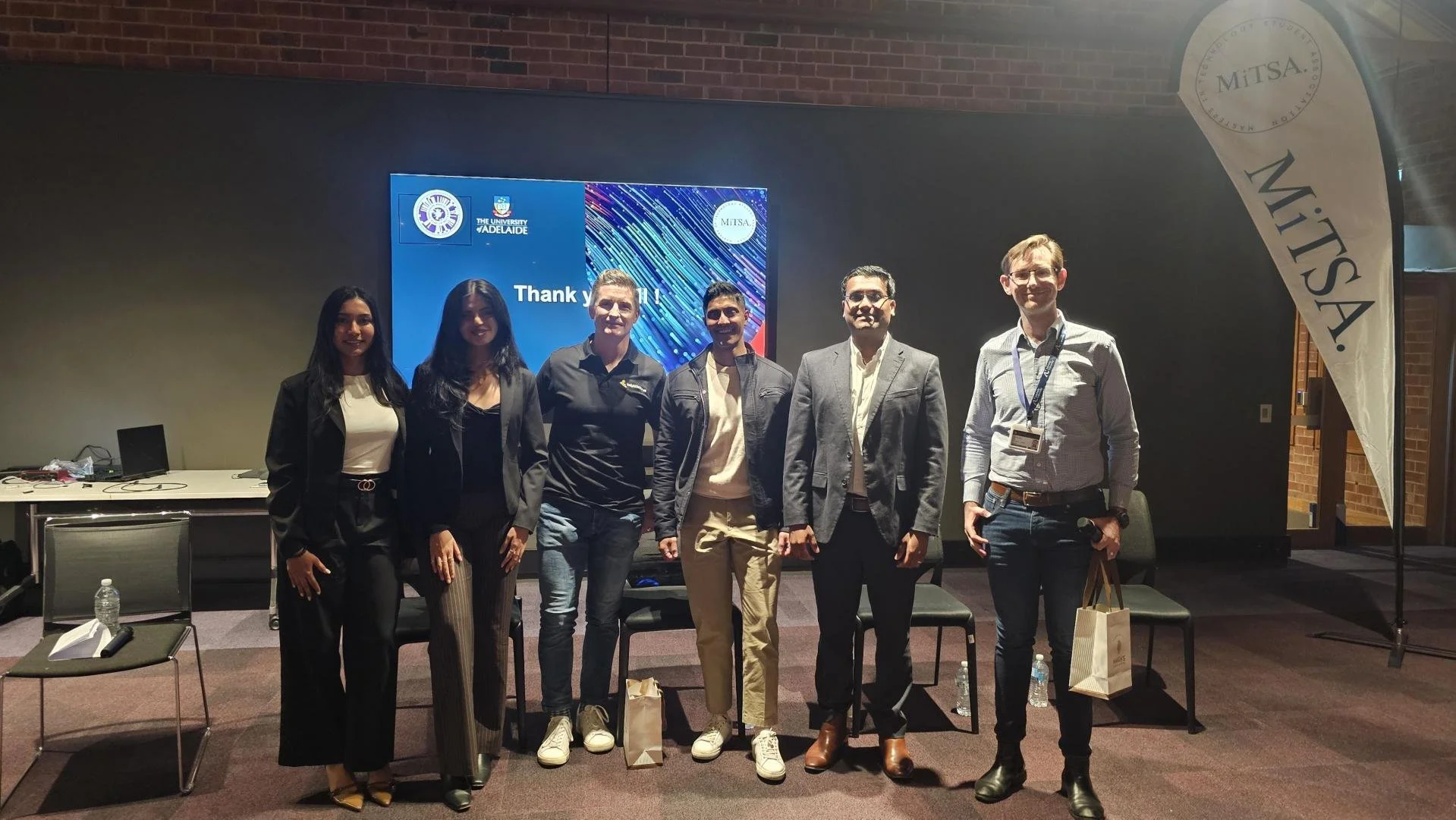
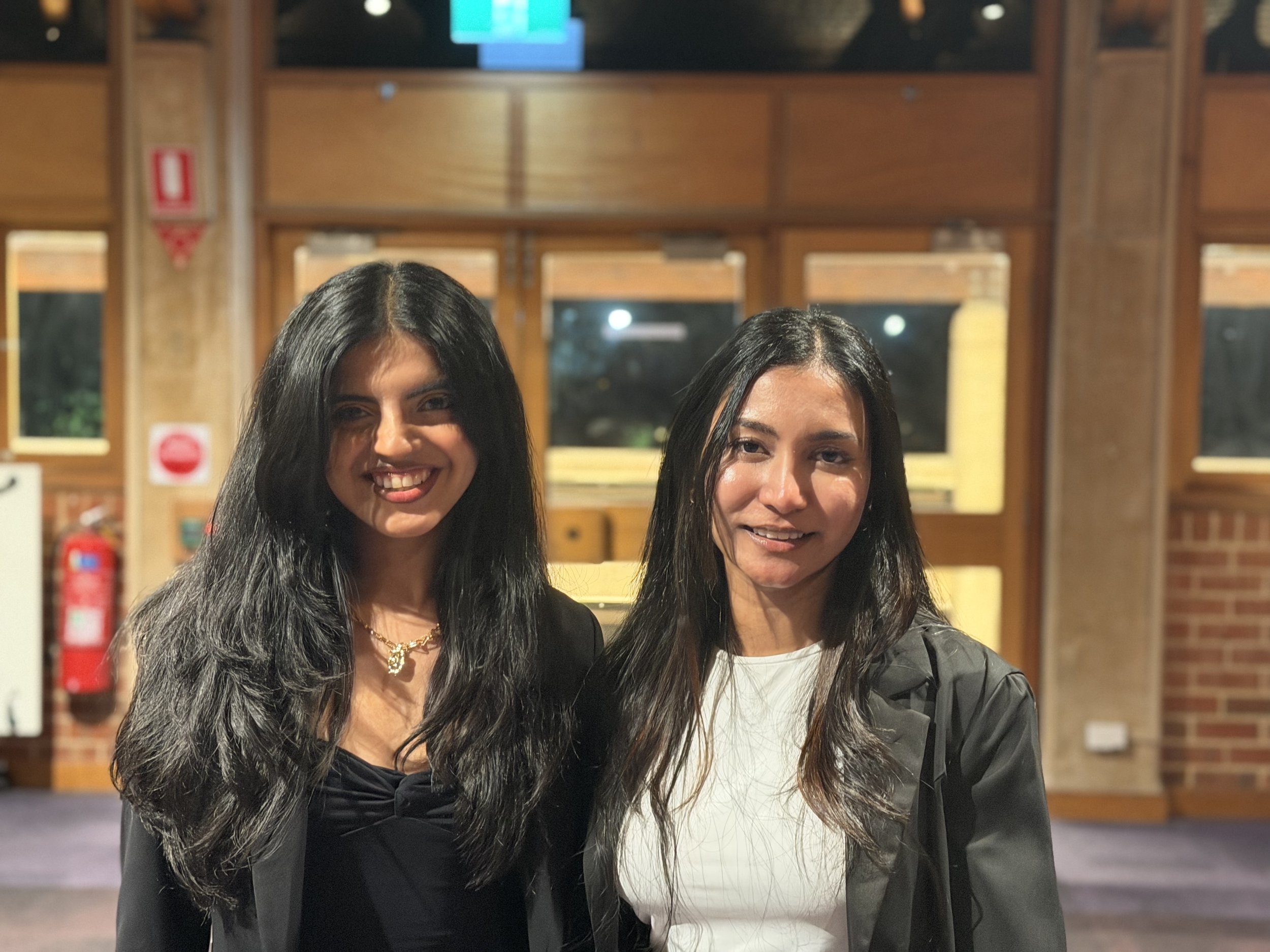
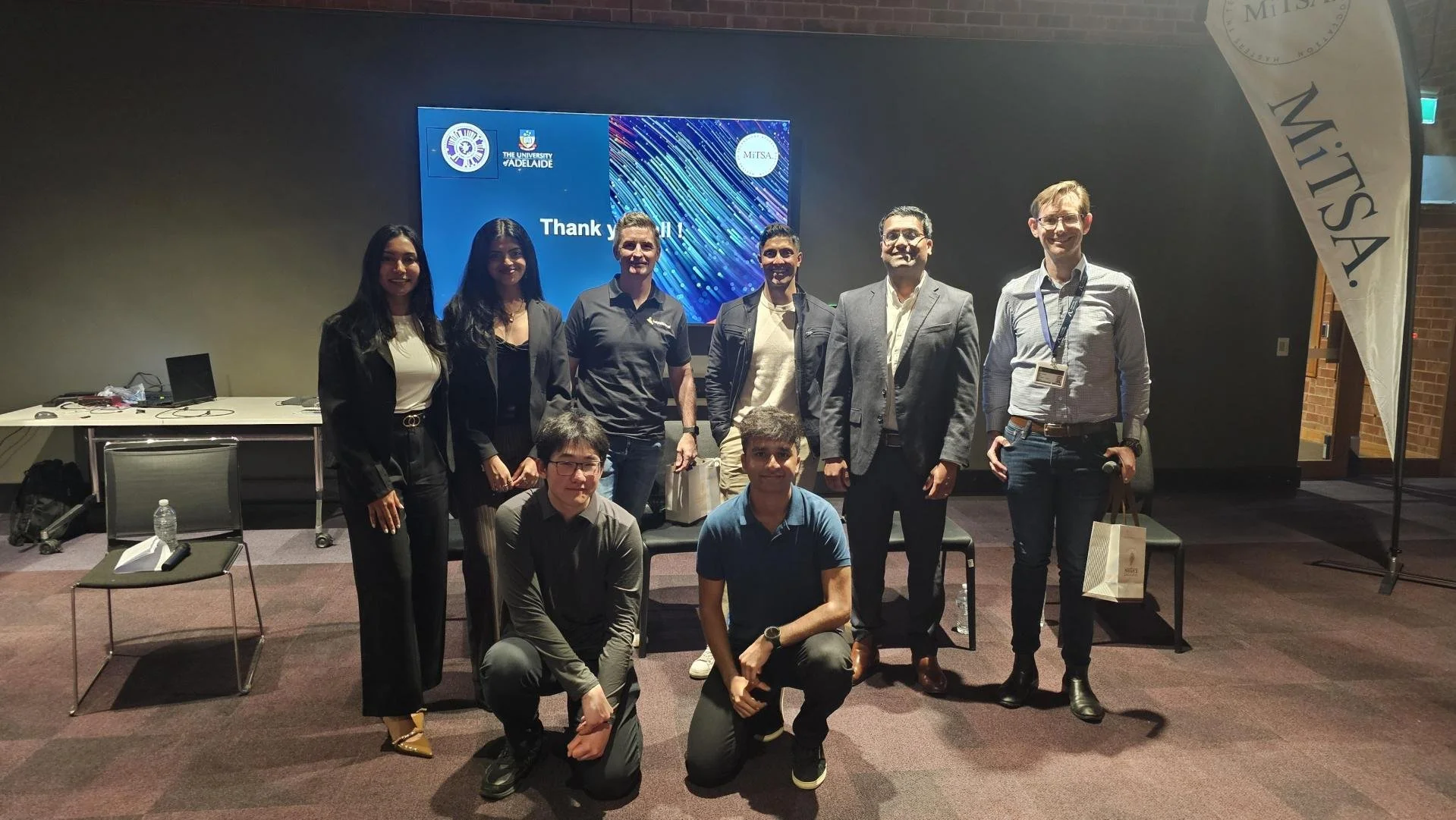
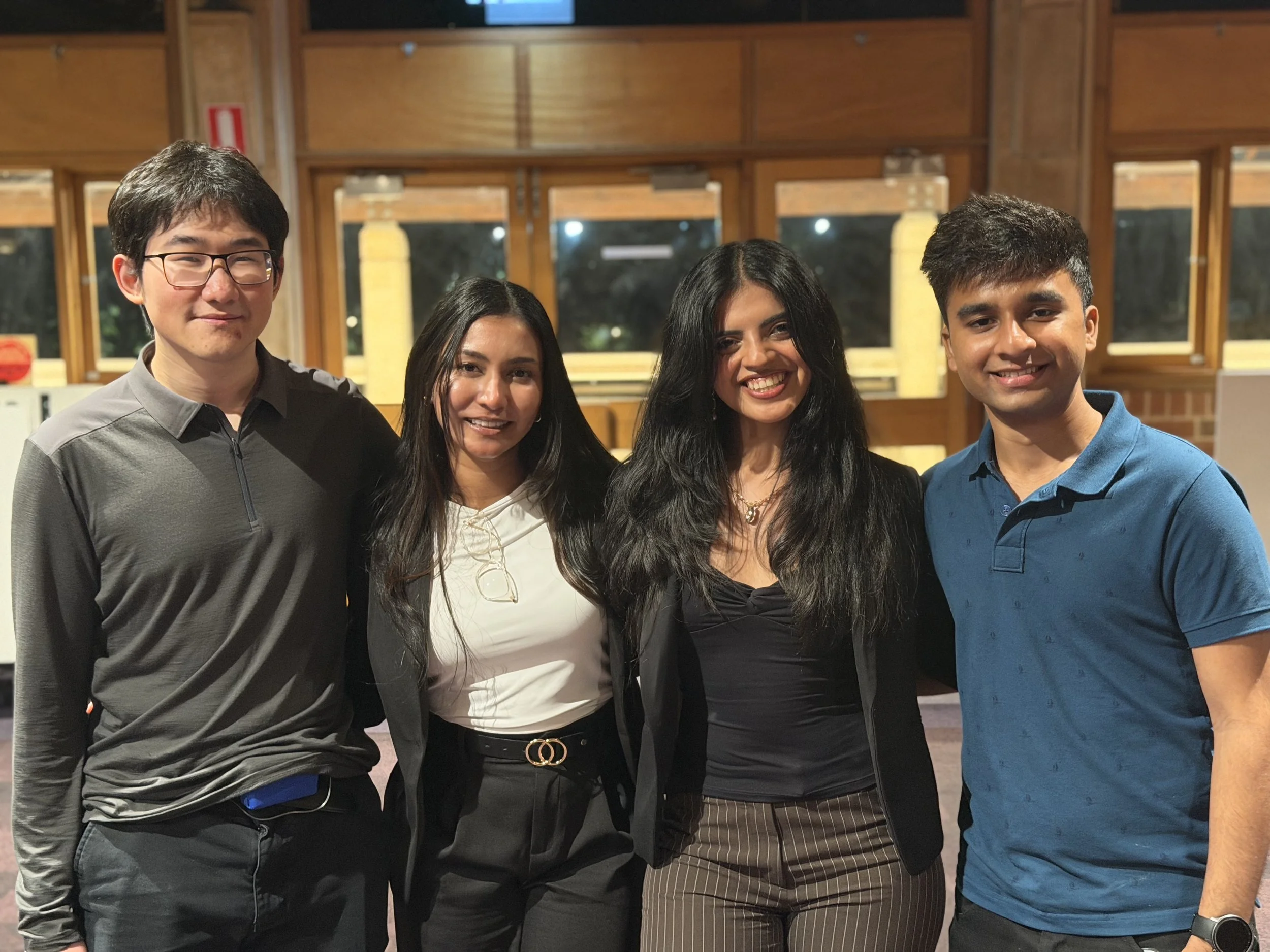
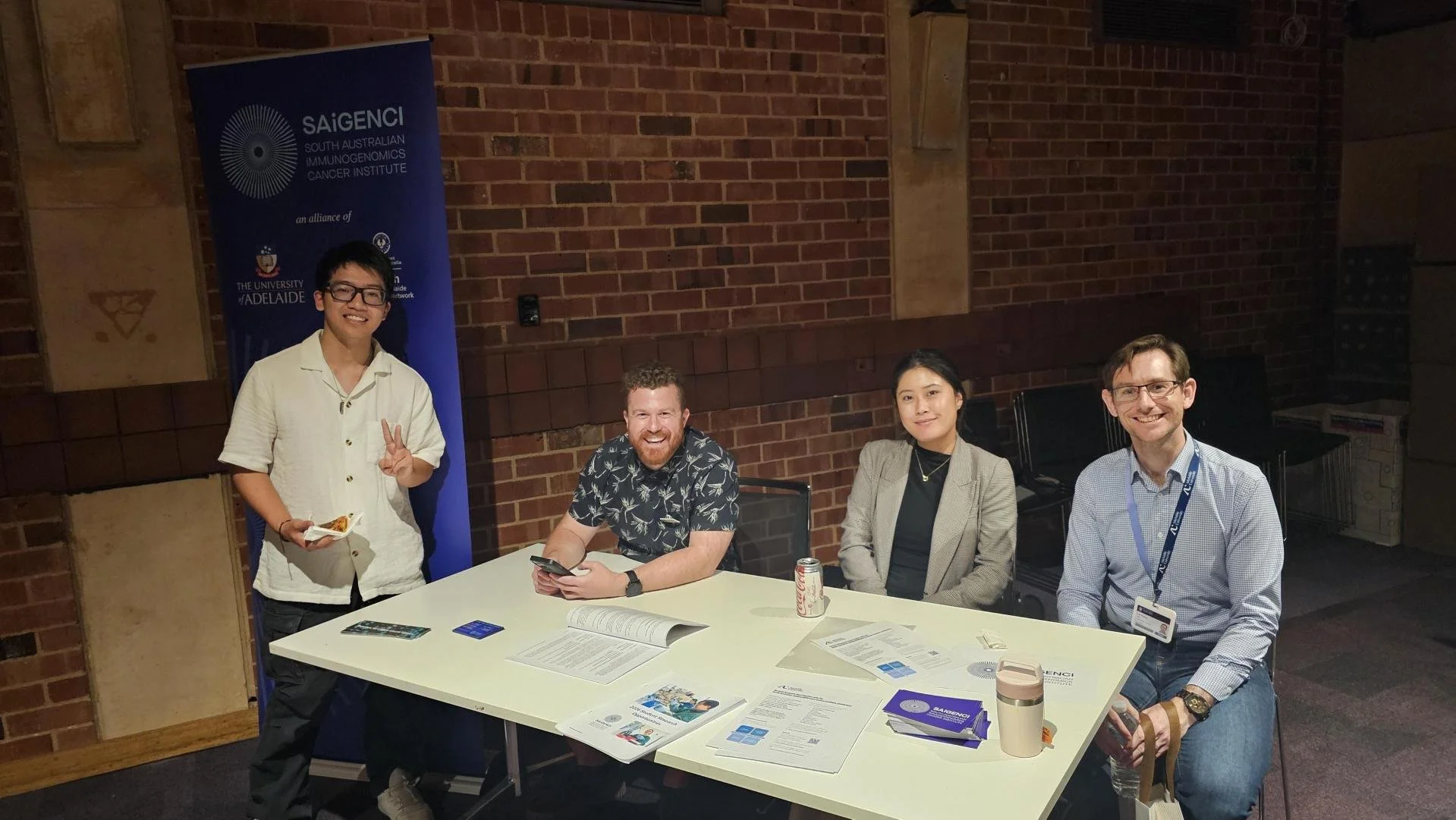
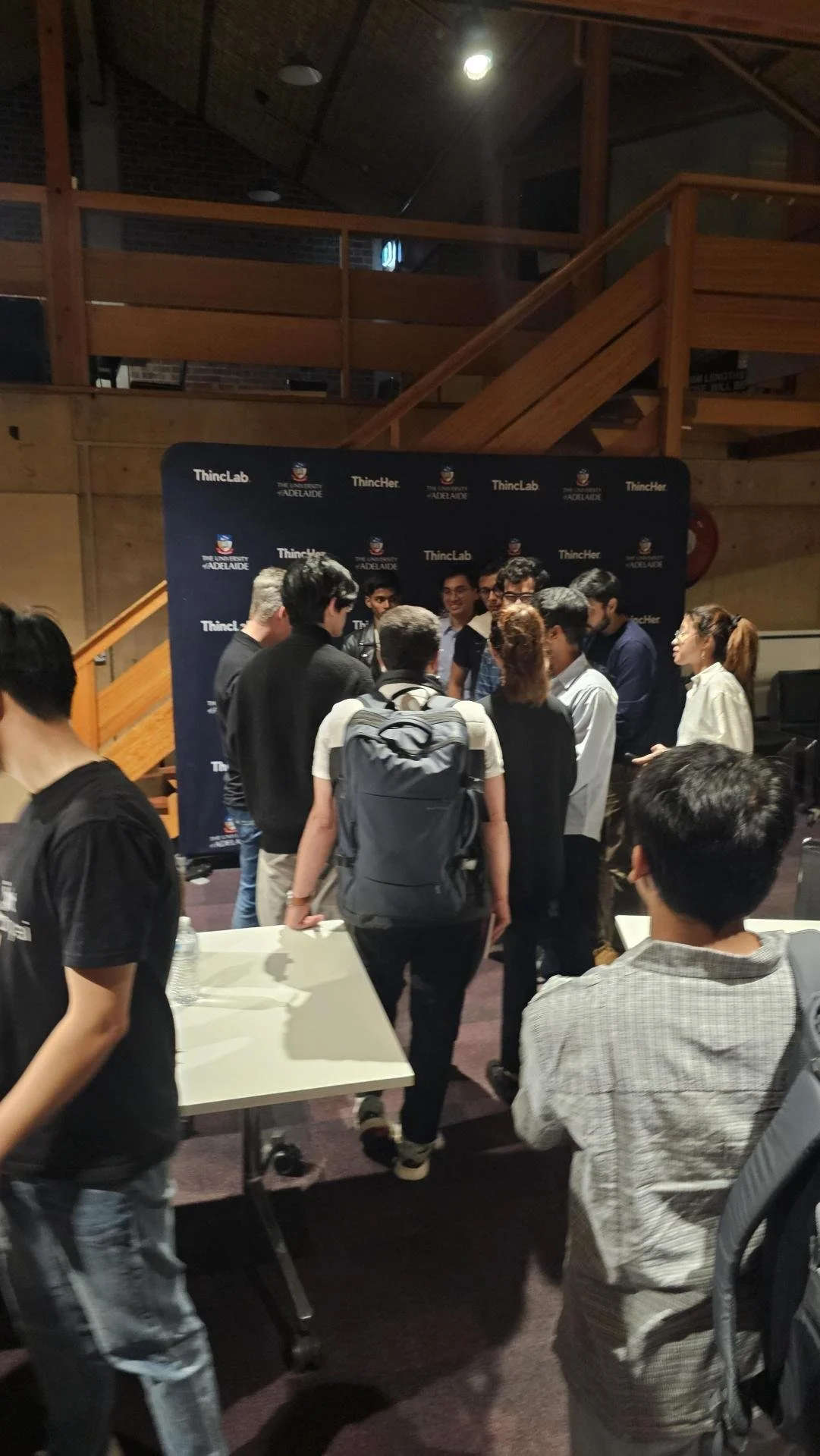
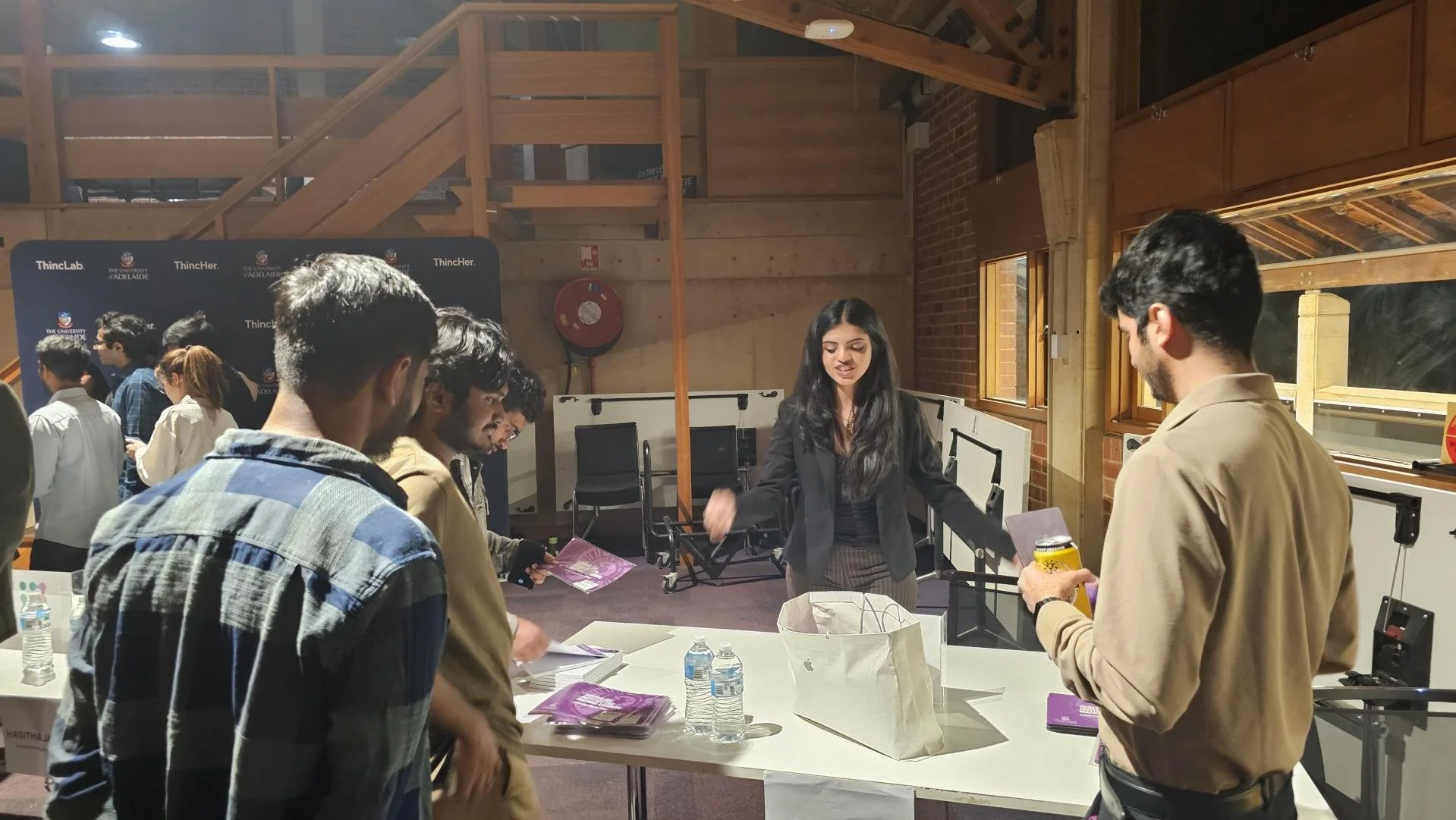
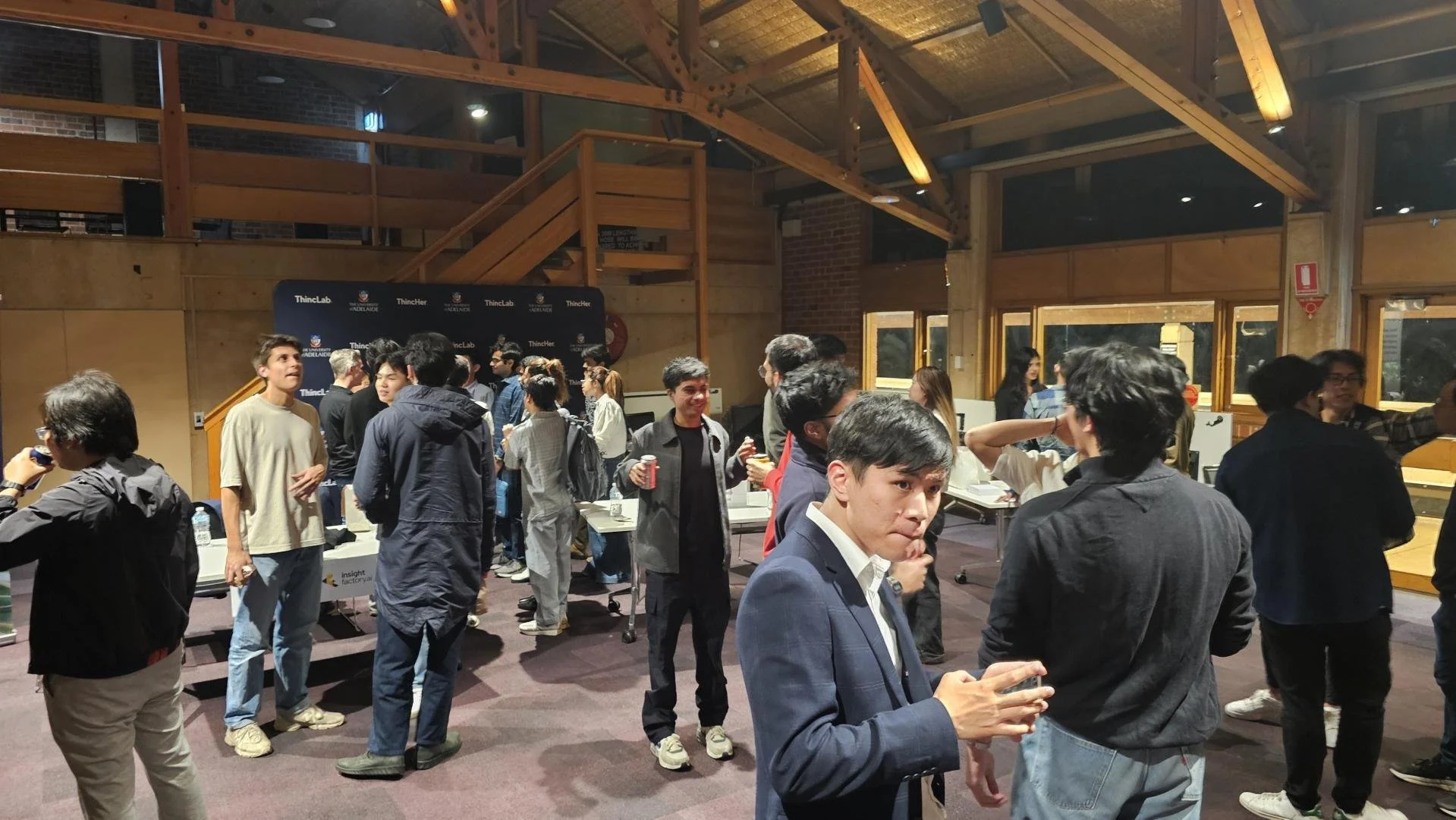
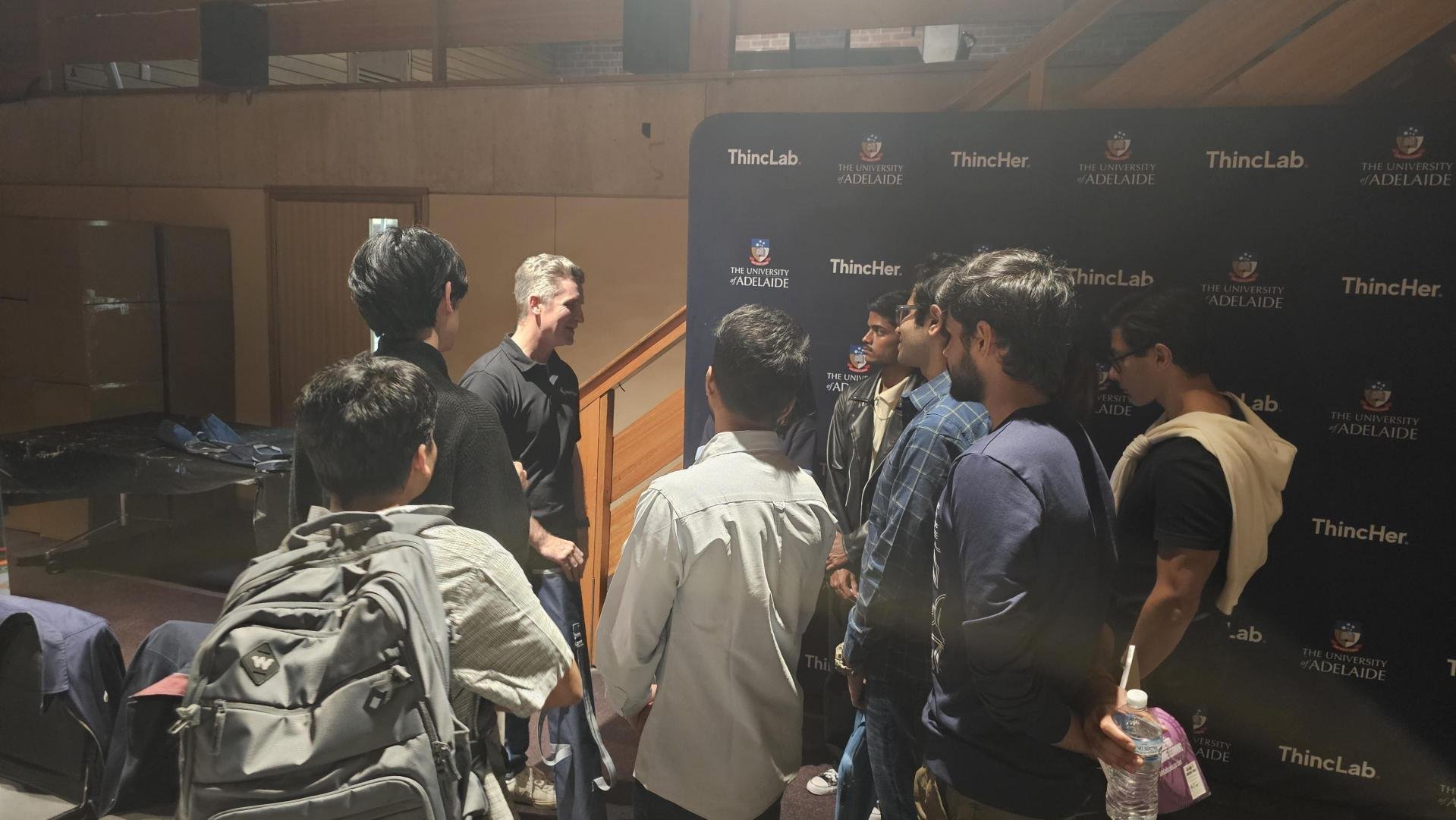
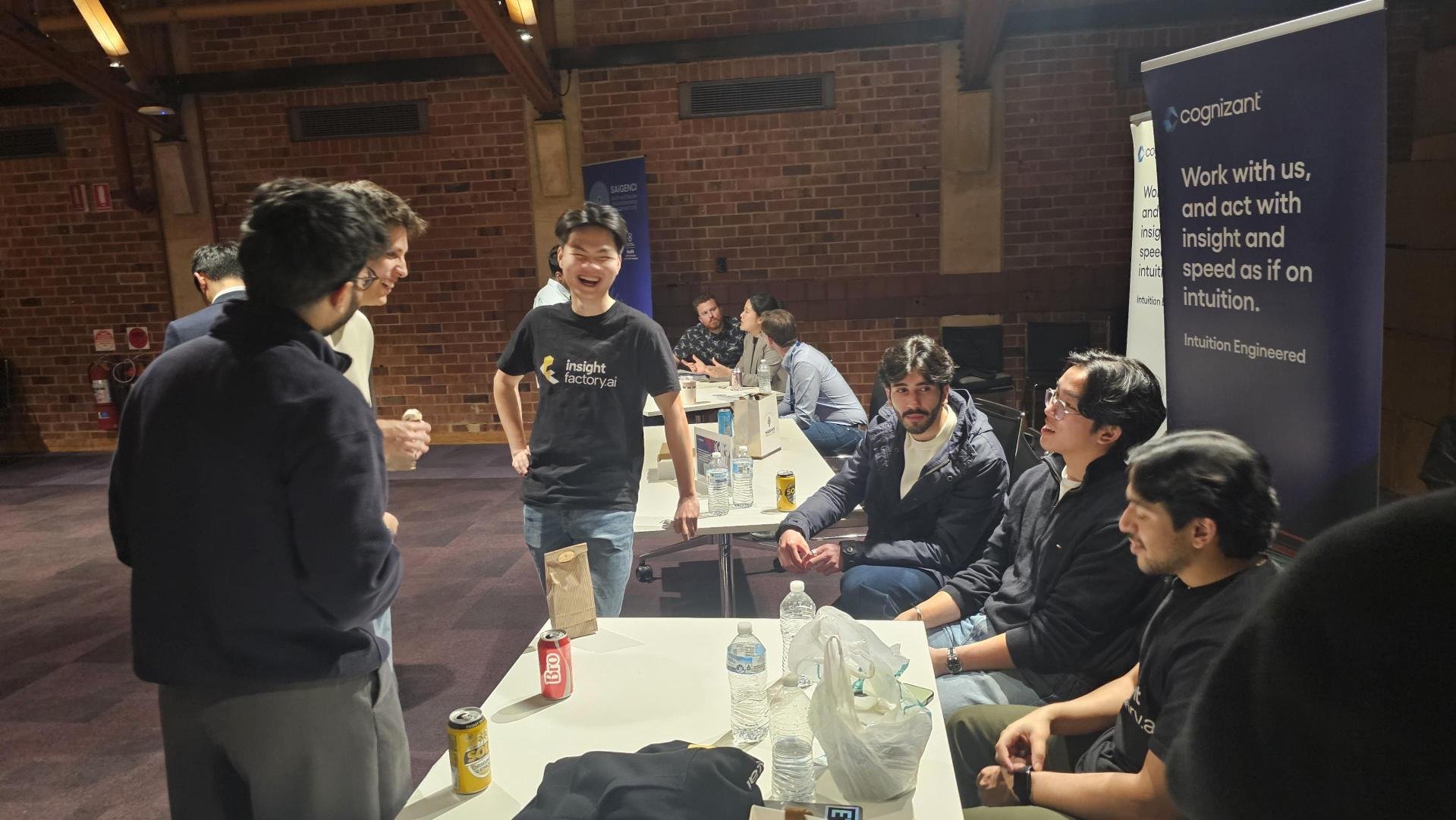
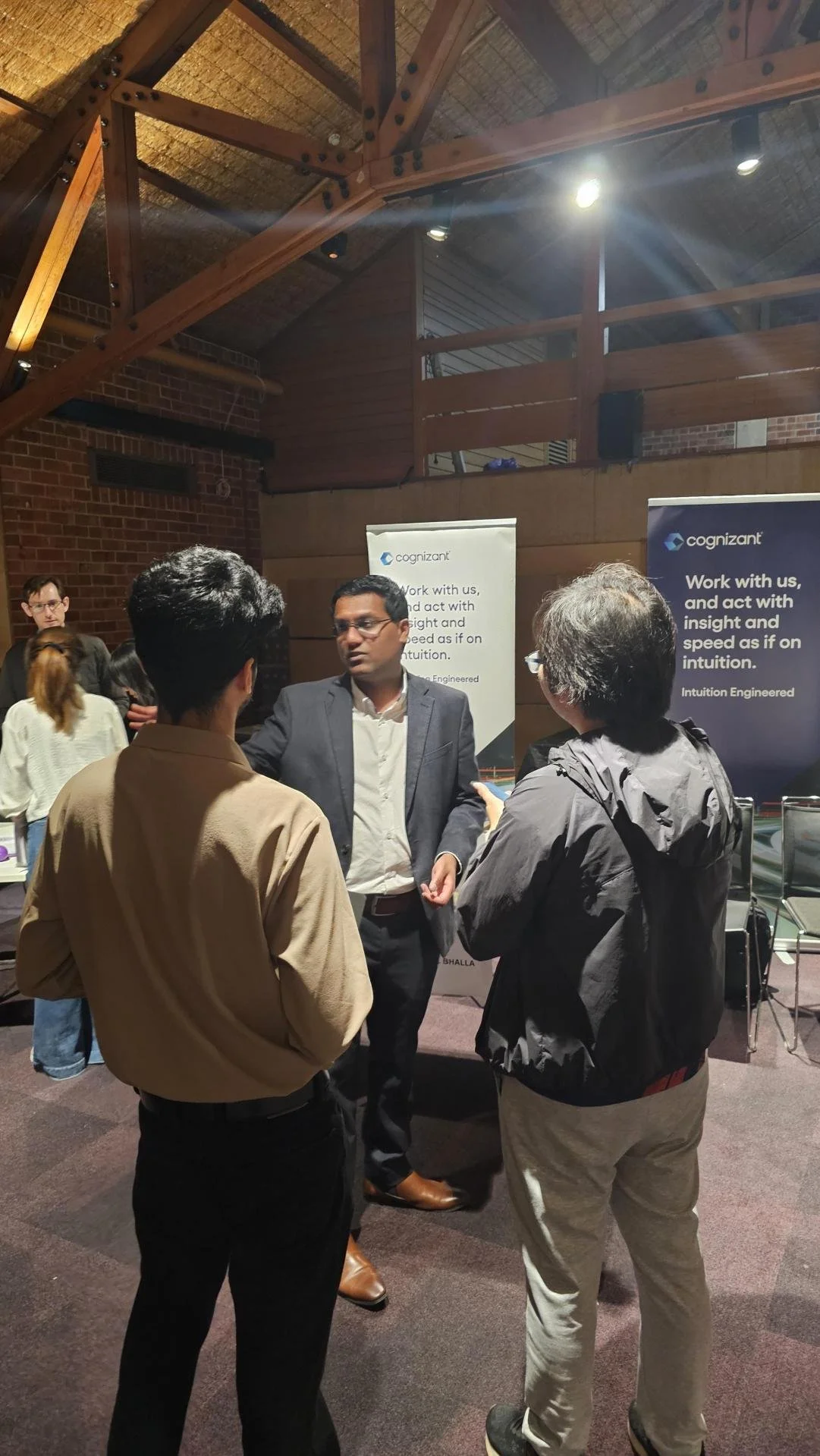
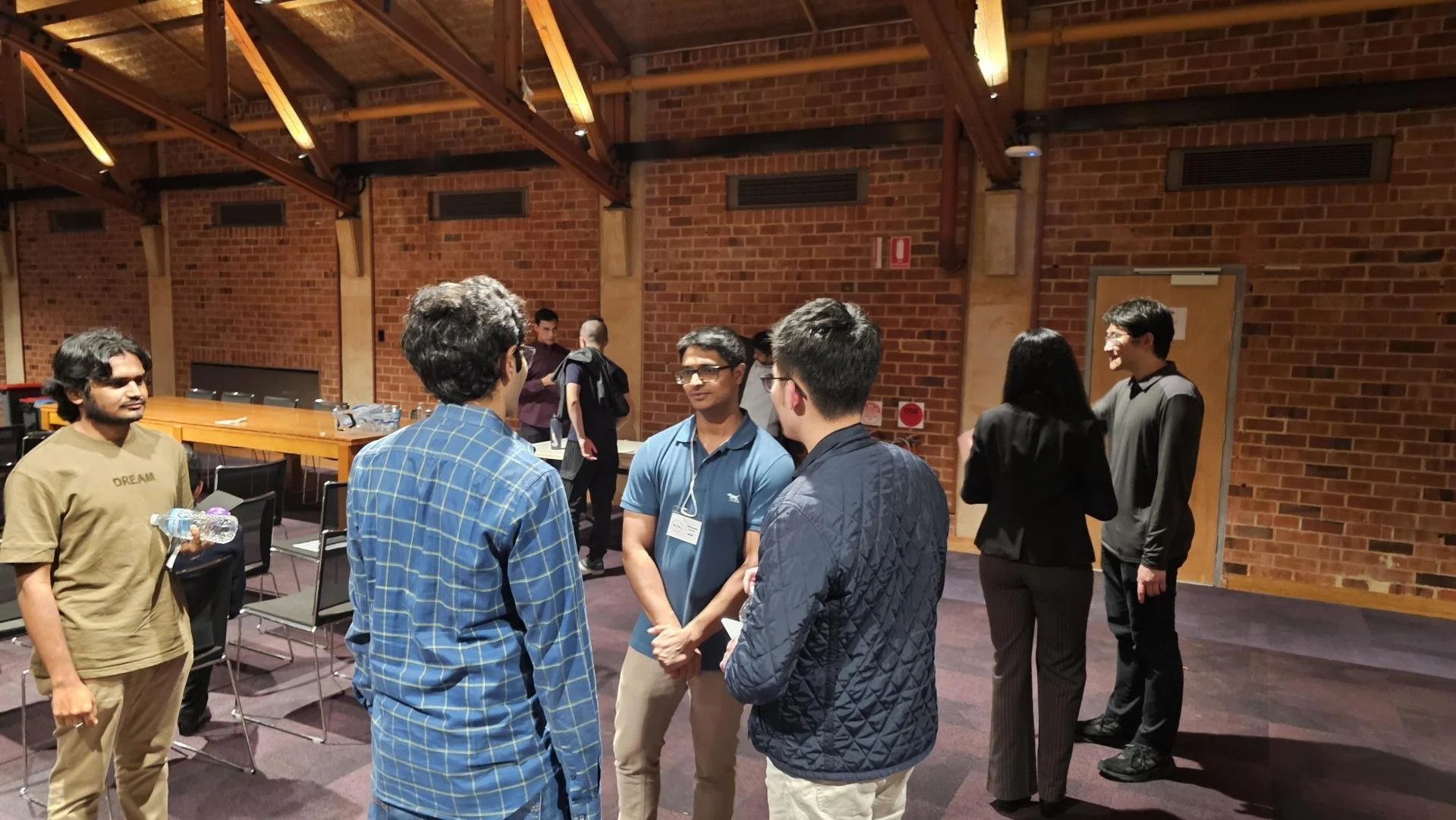
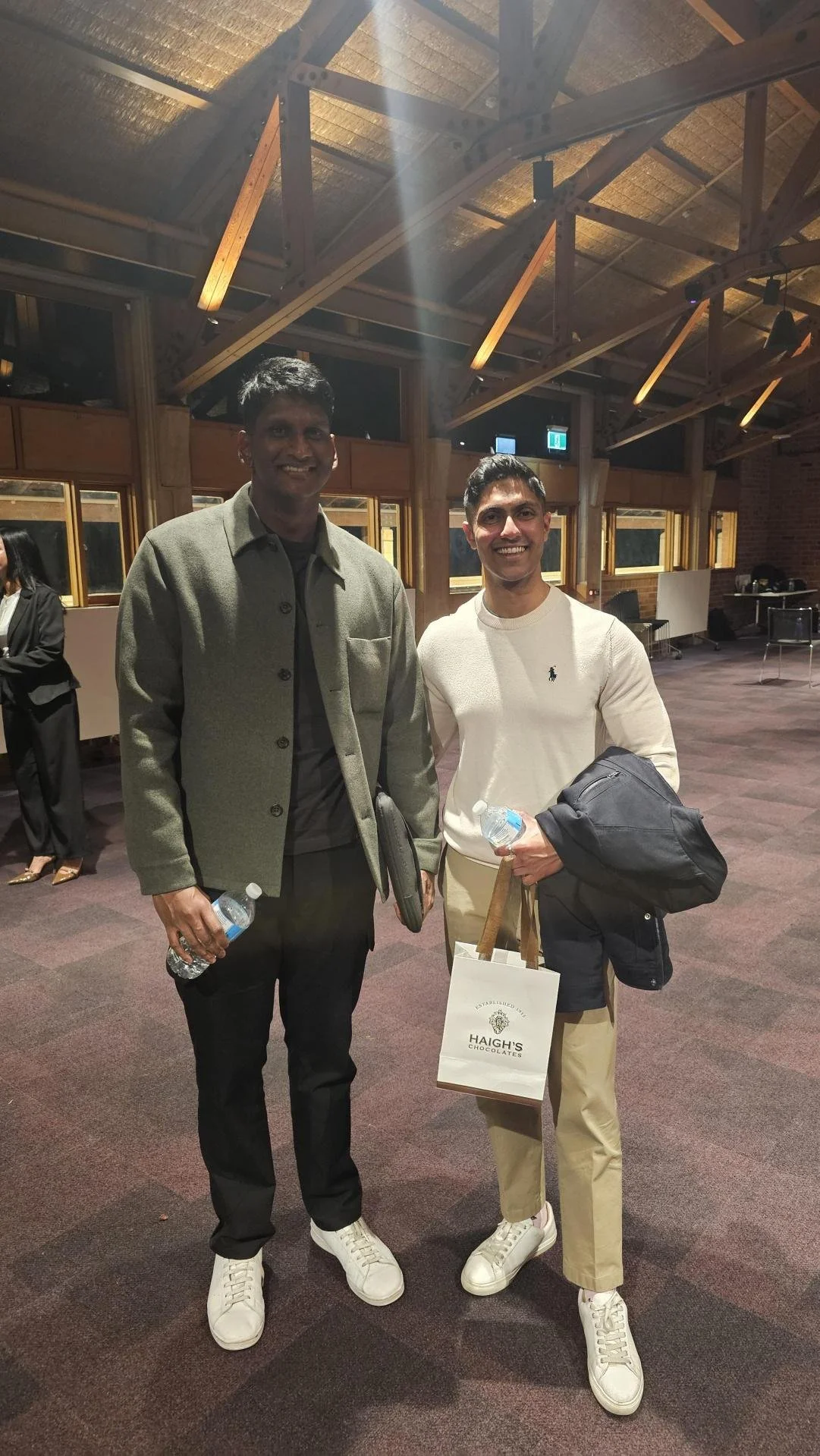
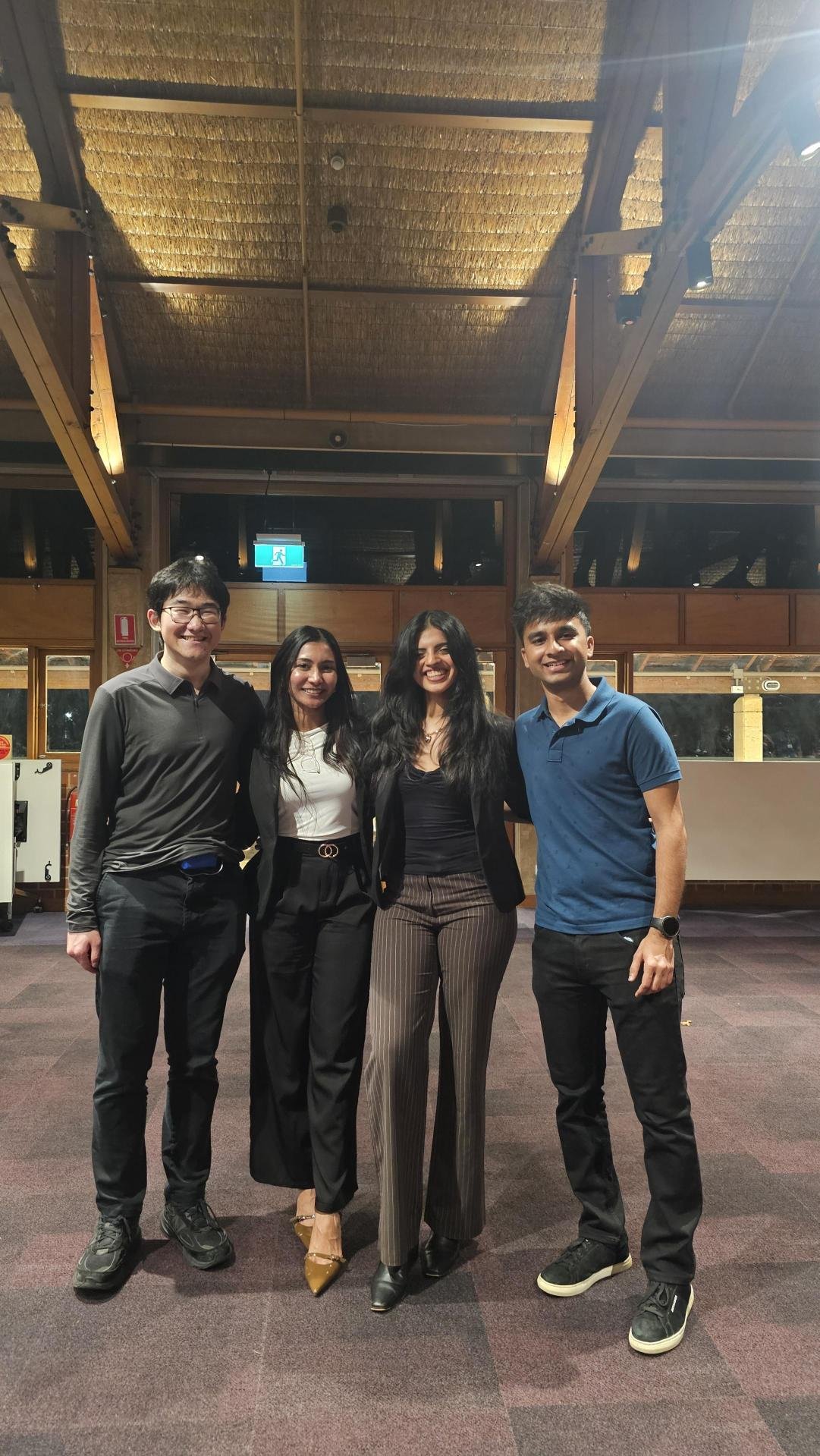
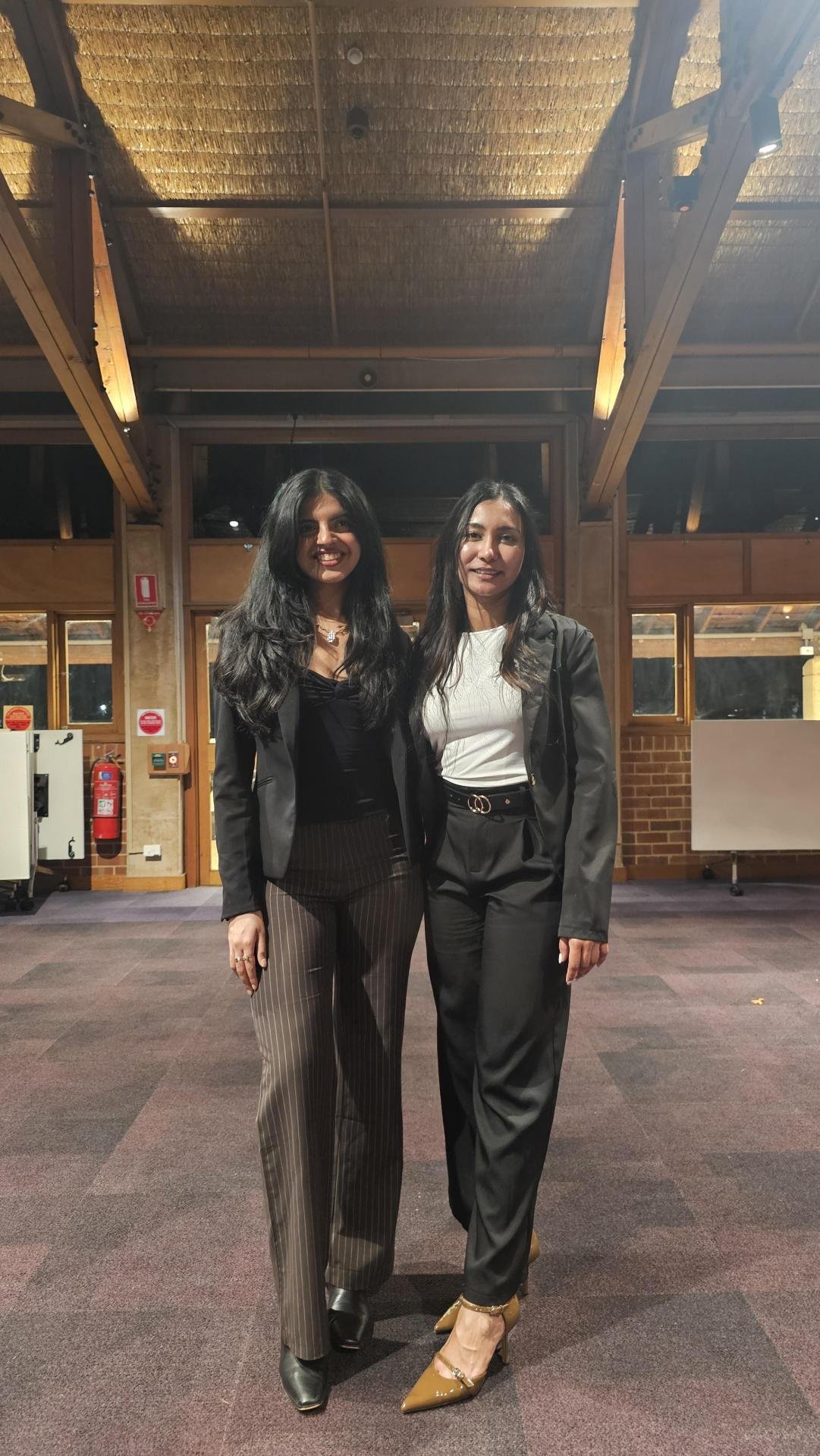
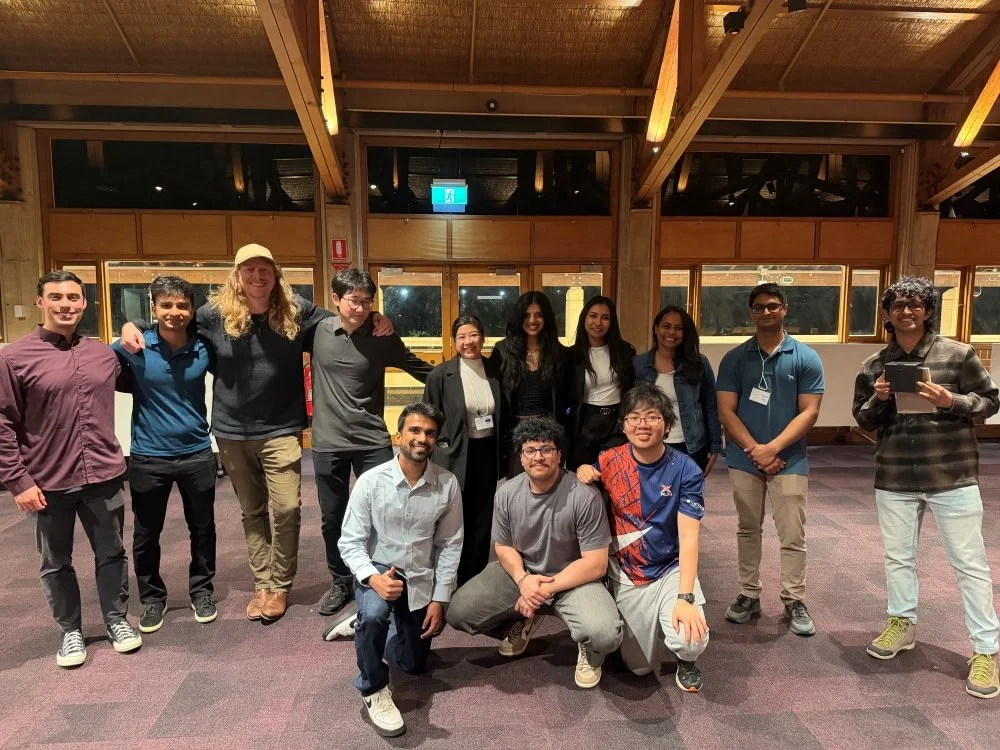
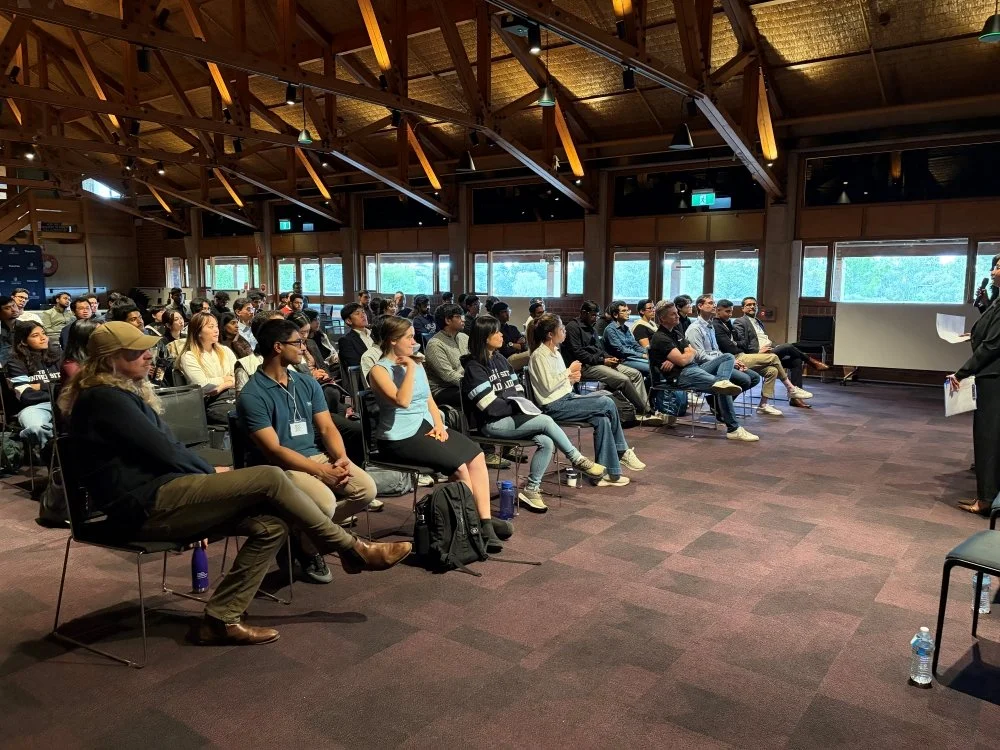
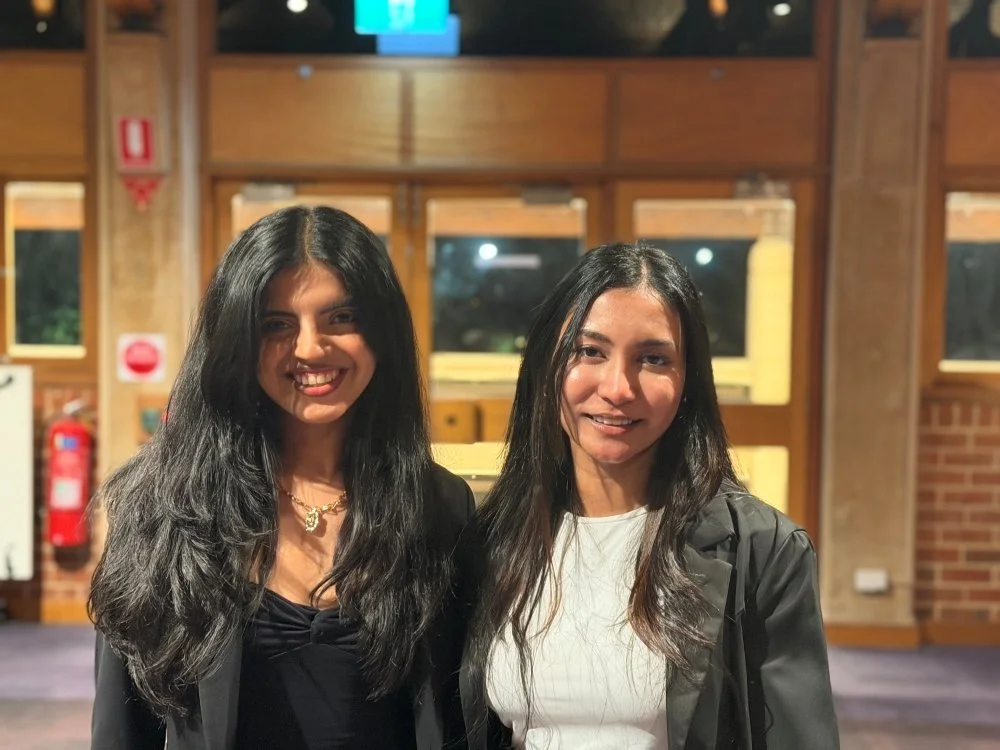
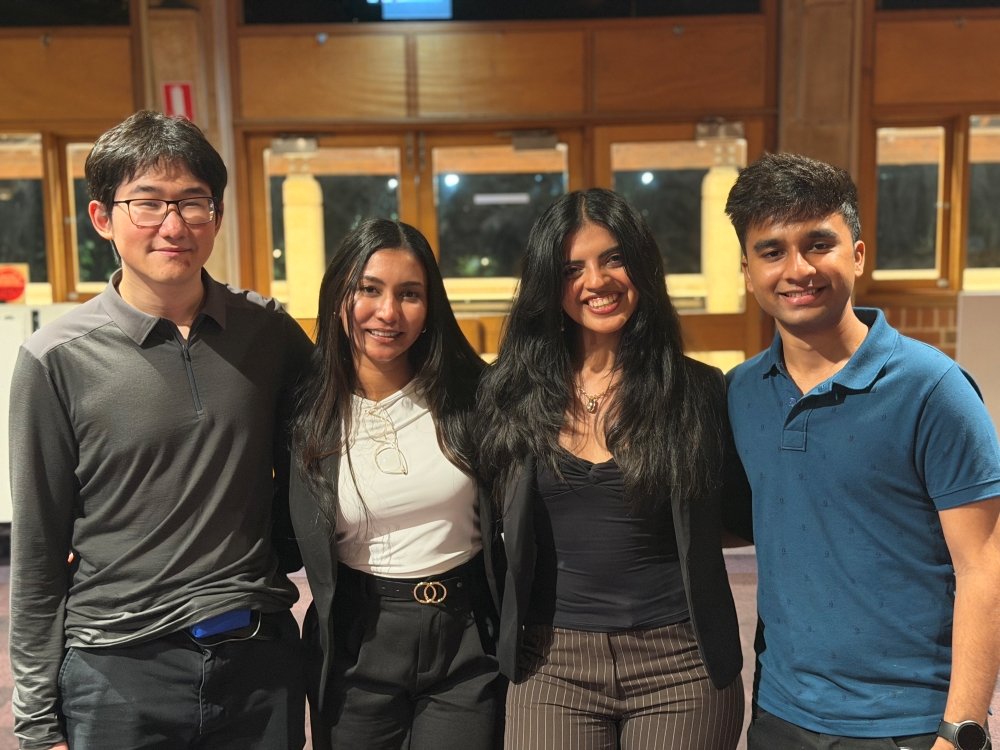
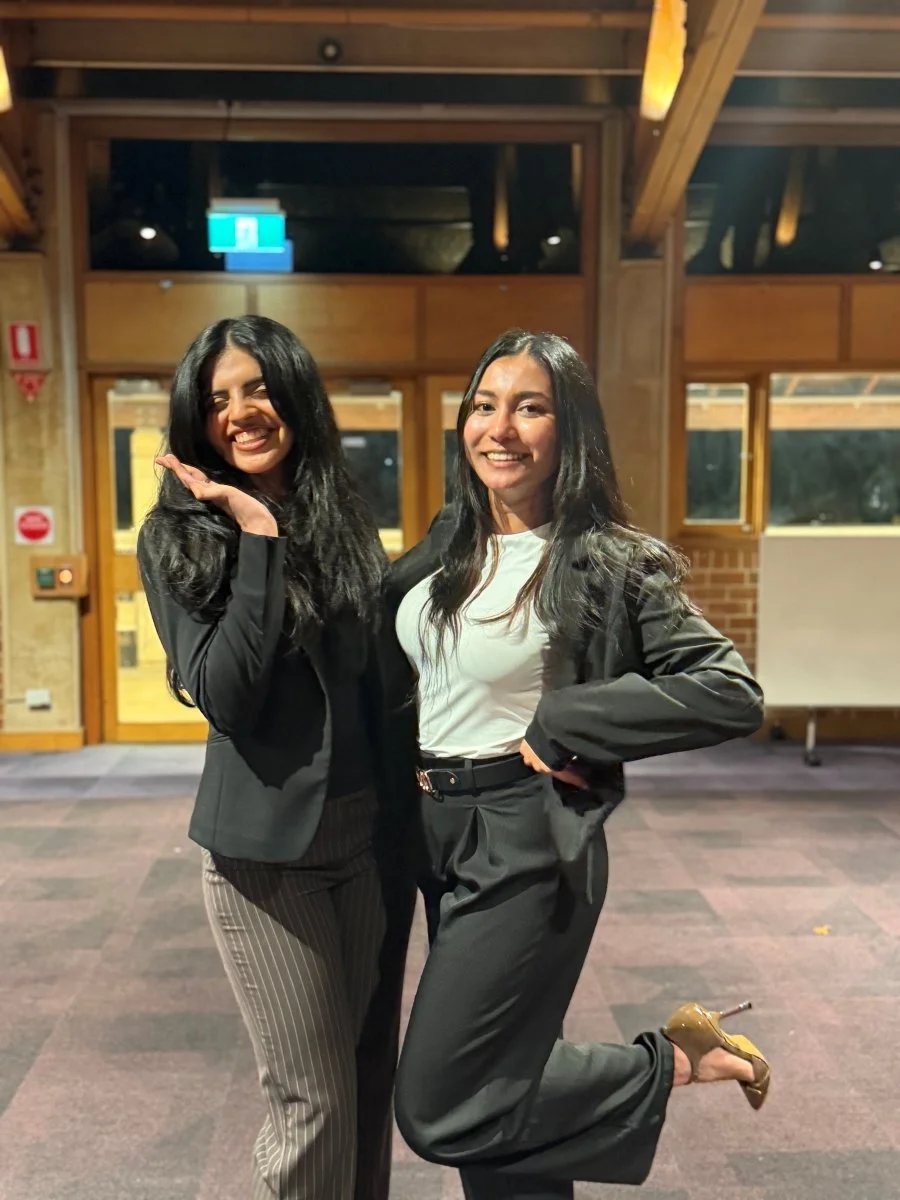
Here are a collection of photos that beautifully capture some of the most unforgettable moments from the event:
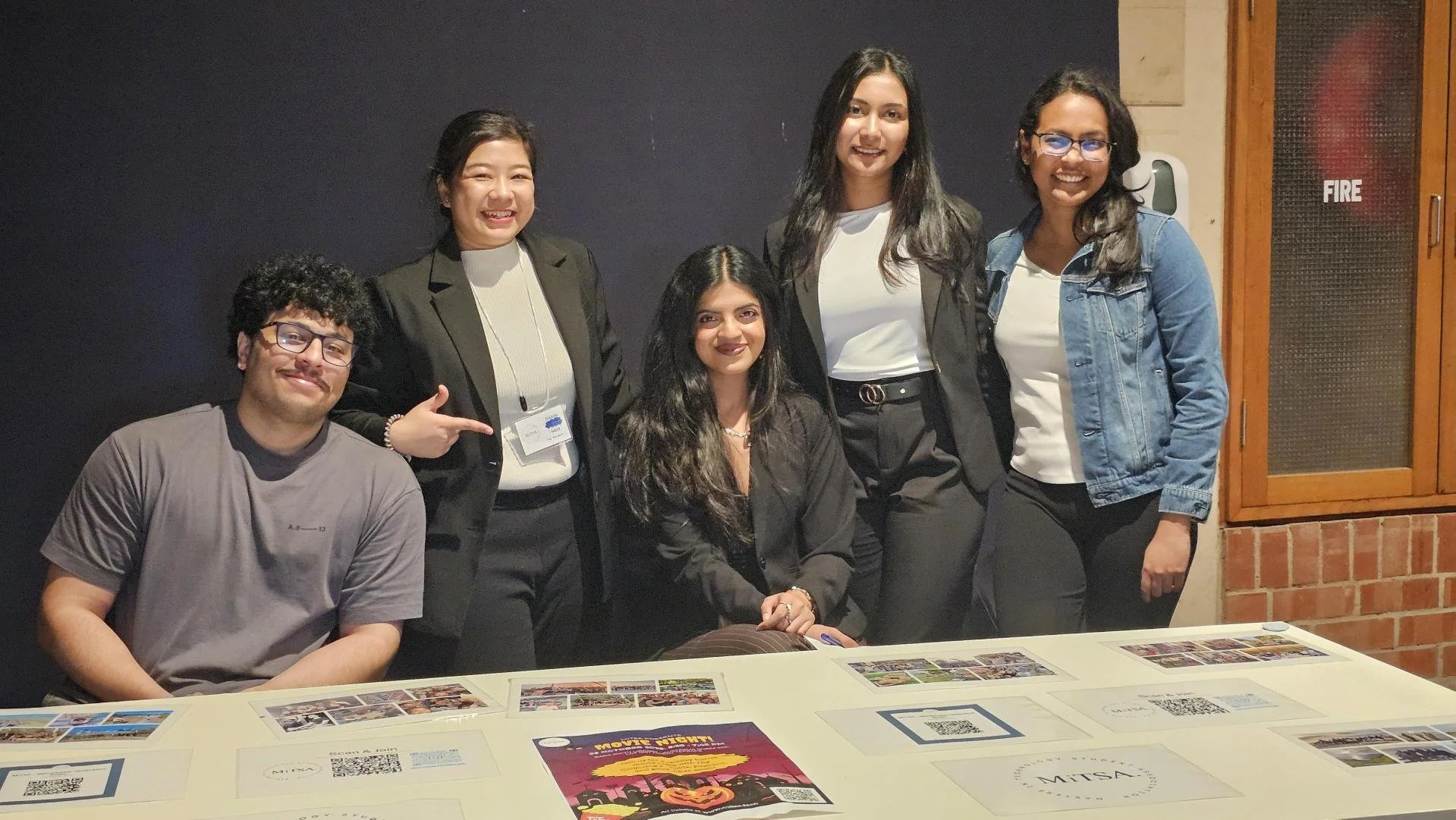
We would like to thank the panelists for their insightful sharing, the APD team for their thoughtful preparation, and all the attendees for creating a meaningful event. Your participation made this event truly special, and we wish you continued success in your careers and look forward to exciting opportunities ahead!
I am a first year student of the Master of Artificial Intelligence and Machine Learning program. My strengths are AI, ML and full-stack web development, and I am interested in AI in the healthcare and medical field. My main goal after completing this program is to continue pursuing a PhD and contribute more to research.