IDAHOBIT: Coming Out, Student Leadership, and the Cost of Belonging
Opinion piece
Today is 17 May — IDAHOBIT, the International Day Against LGBTQIA+ Discrimination.
For me, this day is personal.
I am gay.
That sentence should be simple, but for a long time it carried fear, pressure, and uncertainty. During my time as a student representative, I worked hard to support students, build community, and advocate for inclusion, while also carrying the weight of not always feeling safe to be fully myself.
There were moments where homophobic language, cultural pressure, institutional challenges, and difficult power dynamics made leadership heavier than it should have been. At times, I raised concerns about the need for stronger visible support for LGBTQIA+ students, but those conversations did not always lead to the change I had hoped for.
Many of the students I was trying to advocate for had come from places where being queer could mean repression, exclusion, or violence. Some arrived here hoping for safety, only to find themselves surrounded by attitudes that echoed what they had tried to leave behind.
Most of all, I am writing this because no student should have to choose between being a leader and being themselves.
Below are the parts of that story.
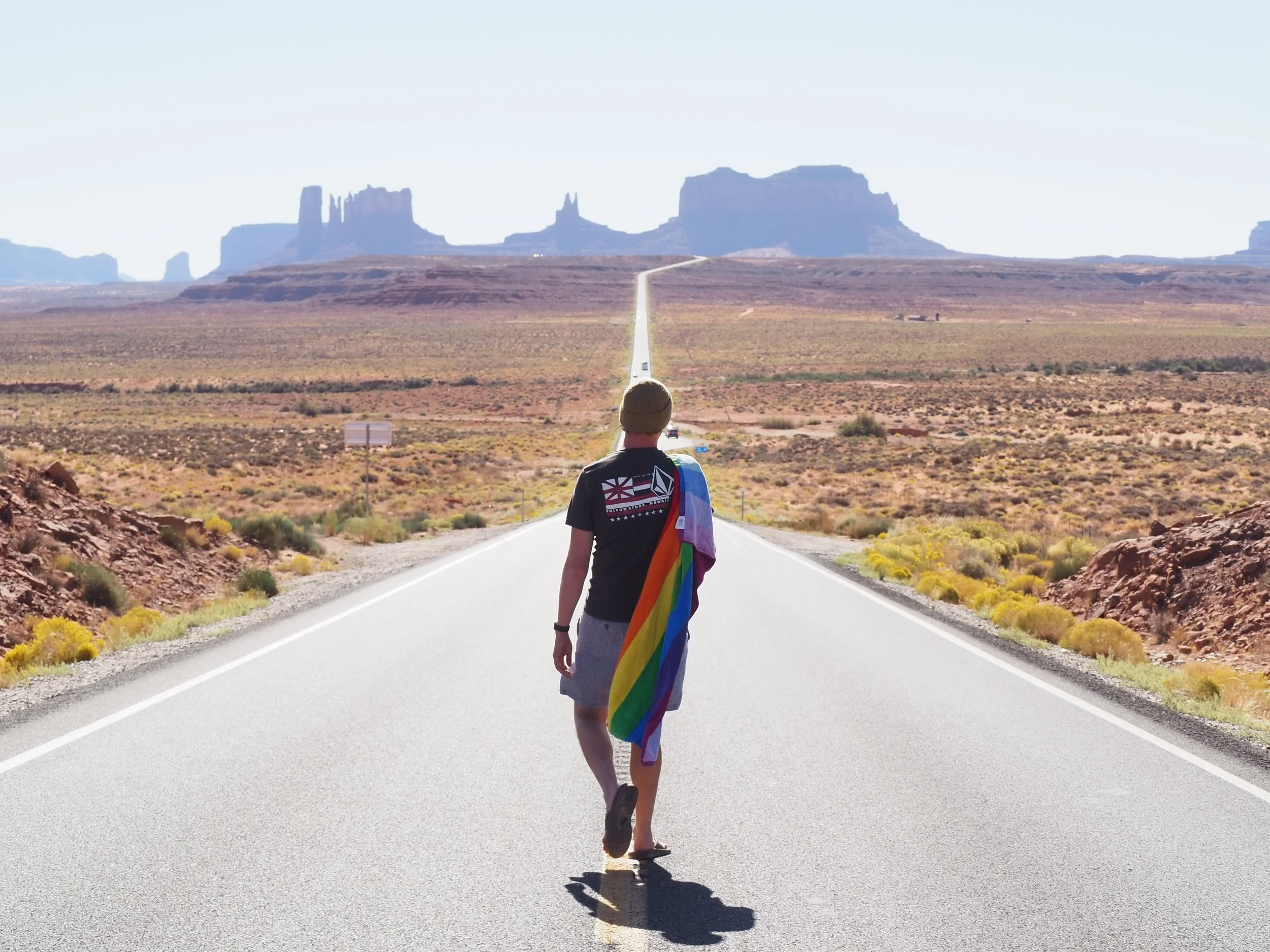
Monument Valley
-
IDAHOBIT matters because discrimination is not just an abstract issue. It is something people carry in their bodies, their choices, their relationships, and their sense of safety.
For LGBTQIA+ people, visibility can be powerful, but it can also come with risk. Coming out is not always one single moment. It can be a repeated process of deciding who is safe, what is safe, and whether being honest will cost you connection, respect, opportunity, or belonging.
For me, IDAHOBIT is a reminder that no one should have to hide who they are to be accepted.
It is also a reminder that inclusion cannot only exist in statements, policies, or social media posts. It has to be felt in the everyday culture of a community. It has to show up in how people speak, how leaders respond, and whether people feel safe enough to be honest about who they are.
-
During my time as a student representative, I cared deeply about supporting students. I wanted students to feel connected, heard, and included. I wanted people to know that if they were struggling, isolated, confused, or overwhelmed, they had someone they could come to.
I gave a lot of myself to that work.
But leadership becomes complicated when you are also trying to work out whether it is safe to be yourself.
There were times when homophobic language, cultural pressure, and exclusionary attitudes made me feel that being open about who I was could lead to isolation or backlash. That placed an emotional burden on me that many people may not have seen.
I was trying to represent others while also quietly managing the fear of what it might cost me to be honest.
That is a difficult way to lead.
It means constantly calculating what is safe to say, who you can trust, and whether being visible will change how people treat you.
I carried this throughout my time in student representation.
-
At different points, I raised concerns about the need for stronger visible support for LGBTQIA+ students,.
I believed then, and still believe now, that early messaging matters. When students arrive in a new environment, especially international students, postgraduate students, queer students, disabled students, and students from marginalised backgrounds, they should hear clearly that they are safe, welcome, and respected.
That kind of message matters.
It tells people, “You belong here.”
It also tells people who may hold harmful views that discrimination is not acceptable in this community.
Those conversations did not always lead to the change I had hoped for. At times, I felt that attempts to speak more openly about LGBTQIA+ inclusion were slowed, redirected, or discouraged.
Whether intentional or not, that added pressure.
It made it harder for me to feel safe coming out myself.
It is difficult to encourage others to be visible when you are also receiving signals that visibility may be uncomfortable, inconvenient, or contested.
That is one of the hard truths I have carried.
-
Student leadership also came with difficult interpersonal and institutional dynamics.
There were moments involving conflict, competing expectations, and situations where I felt pressure to apologise or smooth things over, even when the wider context was complex.
There were also times where overlapping roles, conflicts of interest, and power dynamics made it difficult to know how to respond safely.
As a student representative, you are often expected to be professional, calm, accountable, and diplomatic. But you are also still a student. That balance can become difficult when the people involved may also hold influence over your work, your opportunities, your reputation, or your sense of belonging.
I do not write this to attack individuals.
I write it because these dynamics matter.
Inclusion is not only about whether people say they support diversity. It is also about whether people feel safe to raise concerns. It is about whether feedback is heard fairly. It is about whether students can speak honestly without fear of retaliation, reputational harm, or being treated as the problem for naming harm.
When people are already carrying the pressure of discrimination, those dynamics can become even heavier.
-
Homophobia is not always obvious to people who are not directly affected by it.
Sometimes it is a slur.
Sometimes it is a joke.
Sometimes it is a religious or cultural judgement about who someone is allowed to be.
Sometimes it is silence.
Sometimes it is exclusion dressed up as politeness.
Sometimes it is the feeling that your identity is acceptable only if it remains invisible.
Over time, that can become exhausting.
It affected my mental health. It affected my confidence. It made leadership heavier. It made me question whether I could be both visible and accepted.
No student should have to carry that while trying to serve their community.
No student should have to shrink themselves to make others comfortable.
No student should feel that being honest about who they are will make them less safe.
-
One of the reasons I care so deeply about student community is because I know what isolation feels like.
I know what it feels like to need someone to say:
“You are safe here.”
“You are welcome here.”
“You do not have to shrink yourself to belong.”
That is the kind of support I tried to give others.
I supported students through stress, loneliness, academic pressure, conflict, uncertainty, and moments where they felt they had nowhere else to turn. I tried to build communities where people could make friends, ask questions, find support, and feel less alone.
I did not always get everything right.
No leader does.
There are moments I would handle differently now. There are things I have learned through pain, pressure, reflection, and growth.
But my intention was always to build something kinder, safer, and more connected.
Even when I was struggling privately, I still wanted others to feel less alone.
That matters to me.
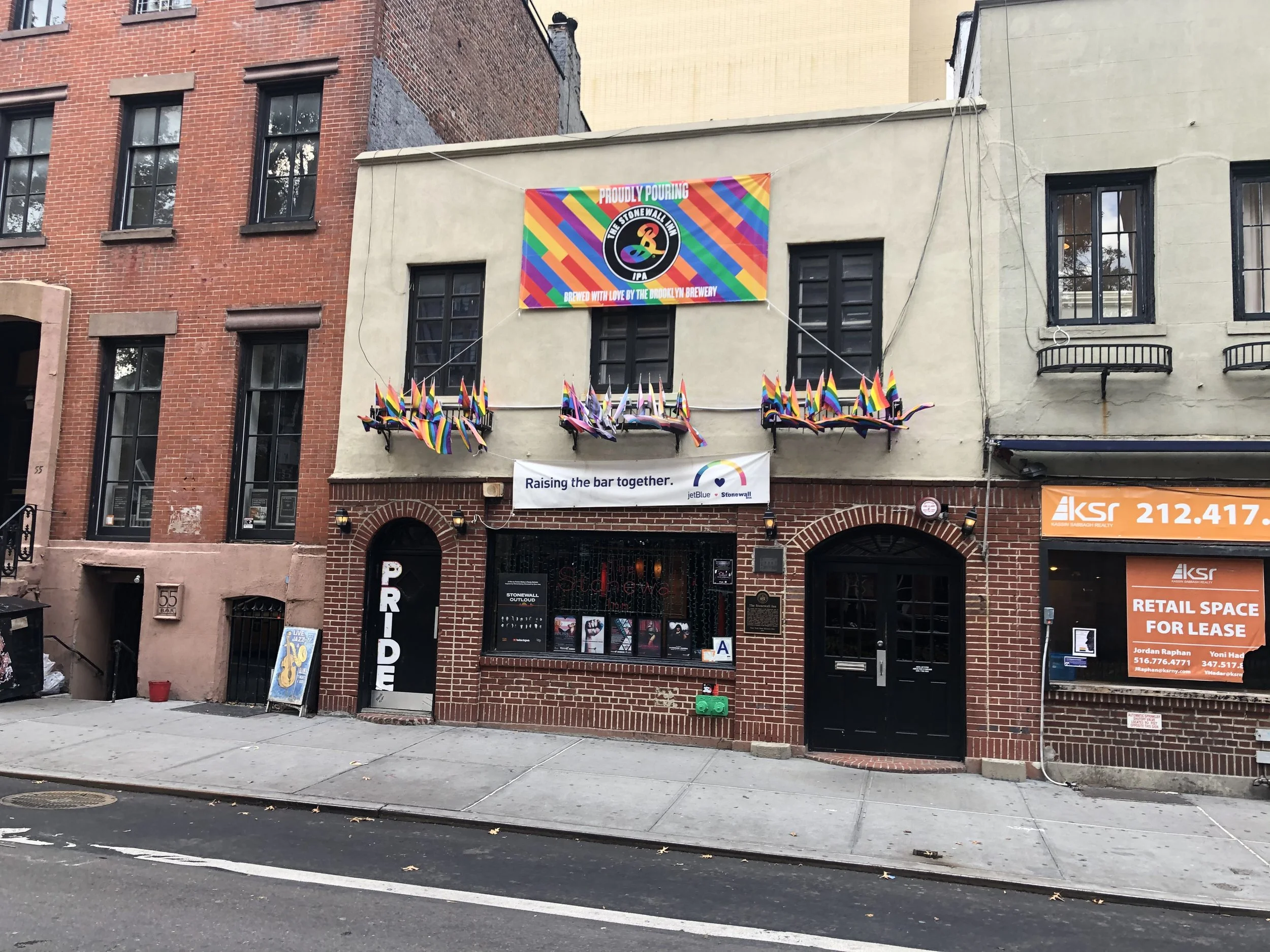
Stonewall, New York
-
One of the hardest lessons I learned in student leadership was that caring about people does not mean being available to everyone all the time.
I supported many students through stress, loneliness, conflict, academic pressure, personal challenges, and uncertainty. I tried to be approachable, responsive, and compassionate. But over time, I also learned that one person cannot meet every need, solve every problem, or absorb every emotion from a large student community.
There were moments where I had to set boundaries. Sometimes that meant stepping back from conversations. Sometimes it meant saying no. Sometimes it meant blocking people when interactions became unsafe, harmful, overwhelming, or crossed personal boundaries.
That was not because I stopped caring.
It was because support has to be sustainable. Student representatives and volunteers are people too. They have limits, mental health, personal lives, and their own experiences of stress and harm.
I have learned that real care also requires boundaries. Without them, support can become unhealthy for everyone involved.
I wish I had understood that earlier. I also wish student leadership had clearer structures around what volunteers can and cannot reasonably carry. No student leader should be expected to become an unofficial counsellor, crisis worker, mediator, administrator, advocate, and emotional support person all at once.
I still care deeply about students and community. But I understand now that caring for others cannot come at the complete expense of caring for yourself.
-
For universities, clubs, workplaces, and student communities, inclusion cannot just be a value statement.
It has to be visible in practice.
Real inclusion means challenging homophobic language when it happens.
It means making LGBTQIA+ inclusion visible at welcome and orientation events.
It means protecting students who raise concerns.
It means recognising power imbalances.
It means avoiding retaliation, defensiveness, or pressure when people speak up.
It means creating safe ways for students to seek support.
It means understanding that silence often protects the status quo, not the person being harmed.
And it means ensuring that inclusion is not dependent on one student, one volunteer, or one marginalised person carrying the emotional labour alone.
Allyship is not passive.
It requires action.
It requires courage.
It requires people with influence to speak when it would be easier to stay quiet.
-
I am writing this because visibility matters.
I am writing this because students notice what is said, what is ignored, and what is quietly discouraged.
I am writing this because LGBTQIA+ students deserve to know they belong from the moment they arrive.
I am writing this because student leaders should not have to hide parts of themselves to be seen as acceptable, professional, or safe.
And I am writing this because I am proud of who I am.
I am gay.
I have carried a lot.
I have supported a lot of people.
I have made mistakes, learned, grown, and kept trying.
Today, on IDAHOBIT, I choose honesty, vulnerability, visibility, and hope.
No student should have to choose between leadership and authenticity.
No person should have to hide who they are to be accepted.
And no community can call itself inclusive while allowing homophobia to go unchallenged.
Closing Reflection
Coming out is not just about saying who you are.
Sometimes it is about finally making room for the parts of yourself you were once made to hide.
For a long time, I tried to be strong for others while quietly carrying the weight of not feeling safe to be fully myself.
Today, I want to honour that younger version of myself.
The one who kept showing up.
The one who kept helping.
The one who kept building community.
The one who was scared, but still cared deeply.
IDAHOBIT is a reminder that visibility matters, but so does safety. Pride matters, but so does protection. Inclusion matters, but only when it is lived.
To anyone who has ever felt they had to hide who they are to belong: you are not alone.
You deserve safety.
You deserve respect.
You deserve community.
You deserve to be seen as your whole self.
And you belong.
I got you, we all got you!